
Stroke prevention Fairfax care from Dr. Mamta Ojha focuses on identifying risk factors early and building a personalized plan to protect your brain health for years to come.
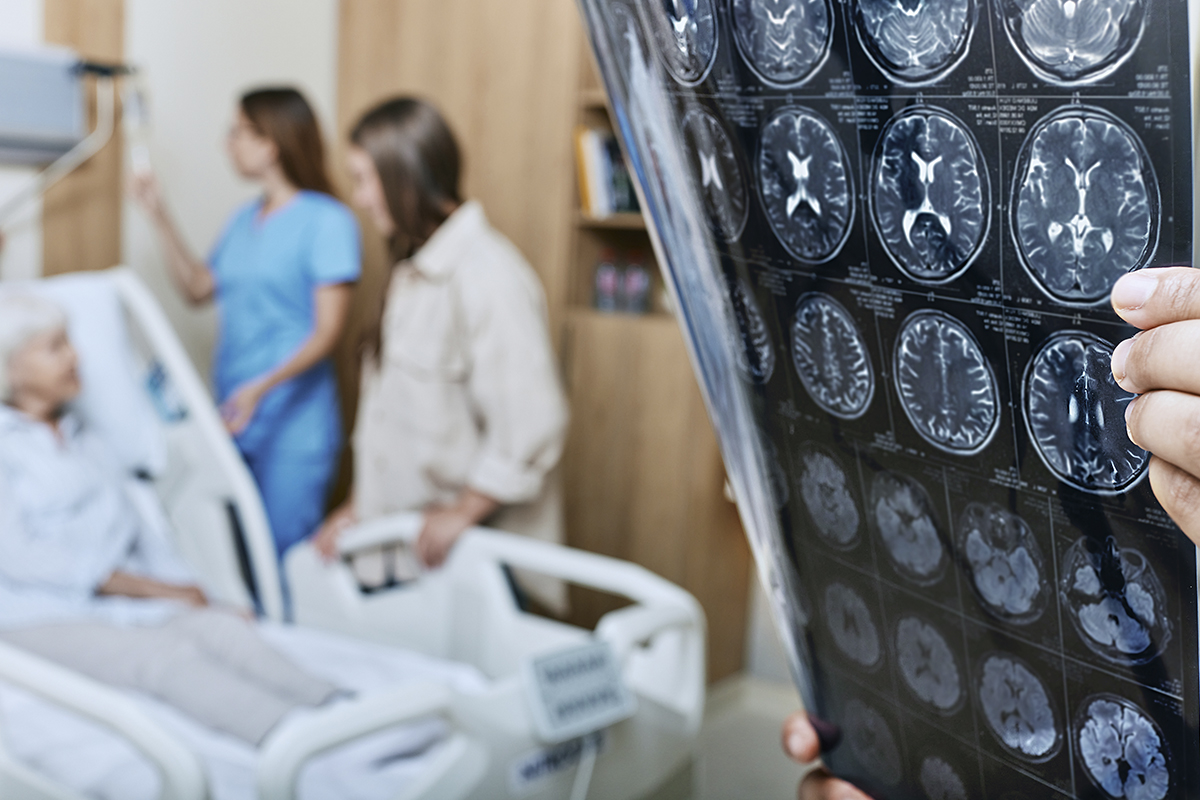
Stroke is a leading cause of death and long-term disability in the United States, but it is also one of the most preventable and treatable medical emergencies. At Norvinia Health, Dr. Mamta Ojha partners with patients on ongoing risk-factor management, including blood pressure, cholesterol, diabetes, and heart rhythm control, to significantly lower the chance of a first or repeat stroke.
What Is a Stroke?
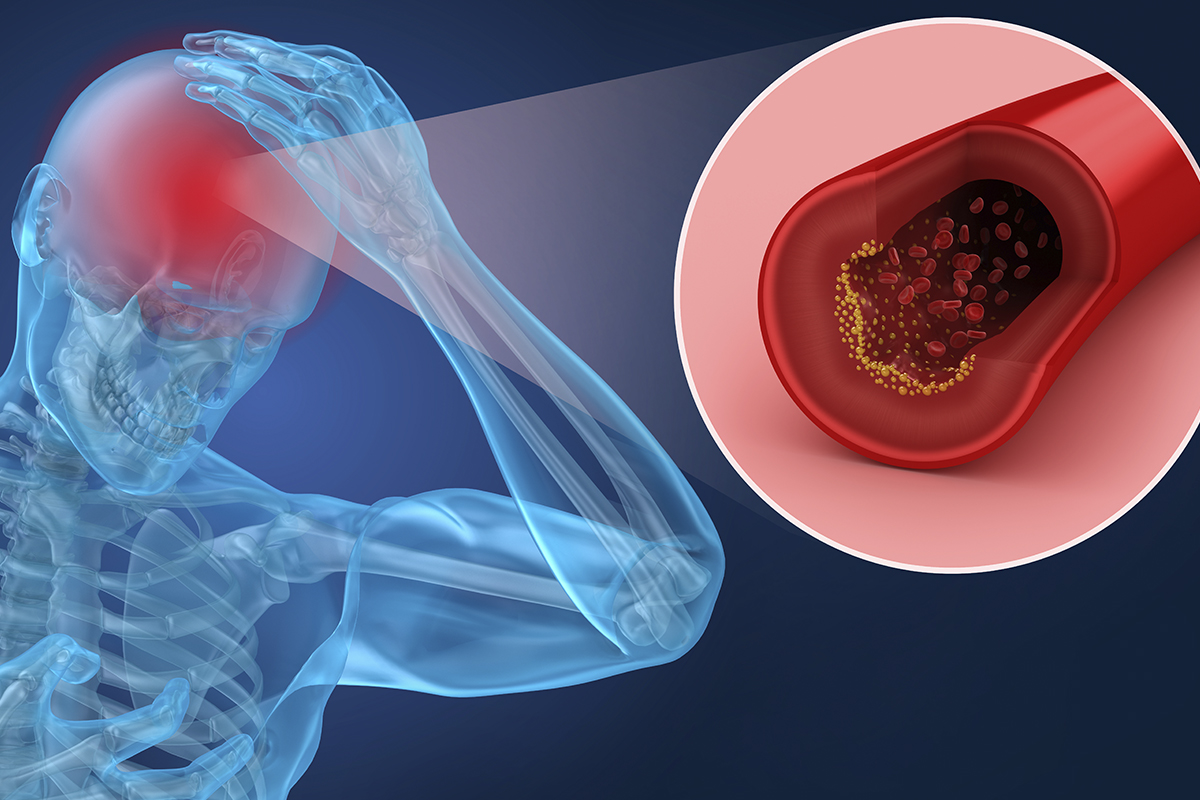
A stroke occurs when blood flow to part of the brain is interrupted or reduced, depriving brain tissue of oxygen and nutrients. Brain cells begin to die within minutes, which is why stroke is a time-critical medical emergency.
- Ischemic stroke: Caused by a blood clot blocking an artery supplying the brain. This is the most common type, accounting for about 87% of strokes.
- Hemorrhagic stroke: Caused by a blood vessel rupturing and bleeding into or around the brain.
- Transient ischemic attack (TIA): Often called a “mini-stroke,” a TIA causes temporary stroke-like symptoms and is a serious warning sign that a full stroke may follow.
Who Is at Risk?
Many stroke risk factors can be identified and managed through regular primary care:
- High blood pressure (the single largest risk factor)
- Atrial fibrillation and other heart rhythm disorders
- Diabetes
- High cholesterol
- Smoking and vaping
- Obesity and physical inactivity
- Excessive alcohol use
- Family history of stroke
- Prior stroke or TIA
- Obstructive sleep apnea
Recognizing the Warning Signs — Act FAST
Because every minute of delayed treatment costs brain tissue, recognizing symptoms quickly is critical. Use the FAST acronym:
- F — Face drooping: One side of the face droops or feels numb.
- A — Arm weakness: One arm drifts downward when both are raised.
- S — Speech difficulty: Slurred speech or trouble finding words.
- T — Time to call 911: If any of these signs appear, call 911 immediately, even if symptoms go away.
Other symptoms can include sudden numbness, confusion, trouble seeing, difficulty walking, loss of balance, or a sudden severe headache with no known cause.
How Is Stroke Diagnosed and Evaluated?
Emergency evaluation of a stroke involves brain imaging (CT or MRI), blood tests, and a neurological exam. After the acute event, primary care plays a central role in identifying the underlying causes and preventing recurrence through:
- Blood pressure monitoring and management
- Cholesterol and lipid panel testing
- Diabetes screening (A1c)
- Heart rhythm monitoring for atrial fibrillation
- Carotid artery imaging when appropriate
- Review of medications and lifestyle factors
Stroke Prevention Through Primary Care
Most strokes are preventable. At Norvinia Health, prevention centers on aggressively managing modifiable risk factors:
- Keeping blood pressure controlled to target levels
- Managing cholesterol with diet, exercise, and medication when needed
- Optimizing blood sugar control in patients with diabetes
- Screening for and treating atrial fibrillation
- Supporting smoking cessation
- Encouraging regular physical activity and a heart-healthy diet
- Using aspirin or anticoagulant therapy when clinically appropriate
Recovery and Long-Term Management
For stroke survivors, primary care continues to be essential after hospital discharge and rehabilitation. Ongoing care includes monitoring for depression, coordinating with physical, occupational, and speech therapy, adjusting medications, and closely managing the same risk factors that contributed to the original stroke to help prevent a second one.
The Importance of Regular Primary Care
Because stroke risk builds silently over years through untreated blood pressure, cholesterol, and blood sugar issues, consistent primary care is one of the most powerful tools for prevention. Dr. Mamta Ojha works with patients to identify risk factors early and build a personalized prevention plan.
Stroke Prevention Care at Norvinia Health
If you have risk factors for stroke or have experienced stroke-like symptoms in the past, Dr. Mamta Ojha and the Norvinia Health team can help you build a personalized prevention plan. Contact us today to schedule an appointment.
Related Conditions We Manage
- Hypertension Treatment
- Diabetes Management
- Heart Disease Prevention
- Weight Loss & Obesity Management
- All Primary Care Services
References & Guidelines
- American Stroke Association: Stroke Prevention and Recovery Guidelines
- CDC: Stroke Facts and Prevention
- National Institute of Neurological Disorders and Stroke: Stroke Information