
Peripheral vascular disease treatment Fairfax care from Dr. Mamta Ojha helps protect circulation and prevent serious cardiovascular complications.
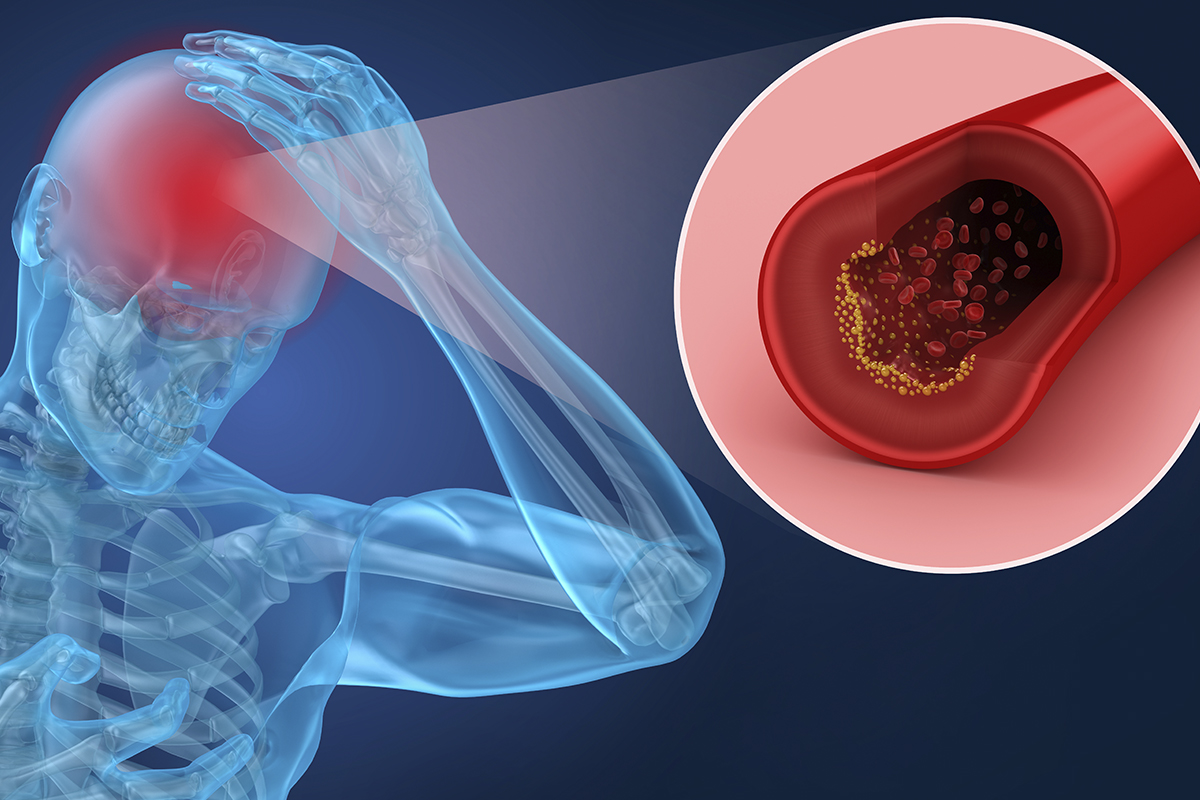
Peripheral vascular disease (PVD), often called peripheral artery disease (PAD) when it affects the arteries, occurs when blood vessels outside the heart and brain become narrowed or blocked, most commonly in the legs. At Norvinia Health, Dr. Mamta Ojha screens for PVD risk factors and helps patients manage this condition to prevent serious complications.
What Is Peripheral Vascular Disease?
PVD develops when fatty deposits (plaque) build up in the walls of the arteries, a process called atherosclerosis, reducing blood flow to the limbs — most often the legs and feet. Left untreated, it can lead to pain, non-healing wounds, and in severe cases, tissue damage requiring amputation. PVD is also a marker of similar plaque buildup elsewhere, raising the risk of heart attack and stroke.
Who Is at Risk?
- Smoking or a history of smoking
- Diabetes
- High blood pressure
- High cholesterol
- Age over 50, especially with other risk factors
- Obesity and physical inactivity
- Family history of vascular disease
- Chronic kidney disease
Symptoms of PVD
- Leg pain, cramping, or fatigue with walking that improves with rest (claudication)
- Numbness or weakness in the legs
- Coldness in the lower leg or foot, especially compared to the other side
- Sores or wounds on the toes, feet, or legs that heal slowly or not at all
- Changes in skin color or shiny skin on the legs
- Weak or absent pulses in the legs or feet
- Hair loss or slower nail growth on the legs and feet
Some people with PVD have no symptoms at all, which is why screening in at-risk patients is important.

How Is PVD Diagnosed?
- Ankle-brachial index (ABI) — a simple, painless comparison of blood pressure in the ankle and arm
- Doppler ultrasound of the leg arteries
- Blood tests to assess cholesterol and blood sugar
- Referral for angiography in more advanced or complex cases
Treatment and Management
- Smoking cessation — one of the most important steps in slowing disease progression
- Supervised exercise programs to improve walking distance and symptoms
- Cholesterol-lowering medications (statins)
- Blood pressure control
- Blood sugar management for patients with diabetes
- Antiplatelet medications to reduce clotting risk
- Referral to a vascular specialist for procedures in more severe cases
The Importance of Regular Primary Care
Because PVD shares many risk factors with heart disease and stroke, managing it is part of a broader cardiovascular prevention strategy. Dr. Mamta Ojha works with patients to identify PVD early and reduce the risk of complications through consistent, coordinated care.
PVD Care at Norvinia Health
If you experience leg pain with walking or have risk factors for PVD, Dr. Mamta Ojha and the Norvinia Health team can help. Contact us today to schedule an appointment.
Related Conditions We Manage
- Heart Disease Prevention
- Stroke Prevention
- Diabetes Management
- Hypertension Treatment
- All Primary Care Services
References & Guidelines
- American Heart Association: Peripheral Artery Disease Guidelines
- CDC: Peripheral Arterial Disease Information
- Society for Vascular Surgery: PAD Resources