
 When we think about gout, we might think about Henry VIII with his loaded table and lavish lifestyle. For centuries, gout was considered a status symbol since it meant you could afford rich foods. Today, gout is decidedly undesirable and unpleasant. While it’s true that gout is related to your diet, it’s also a form of arthritis. Let’s look at the symptoms and causes of gout and how we can prevent flare-ups.
What Is Gout?
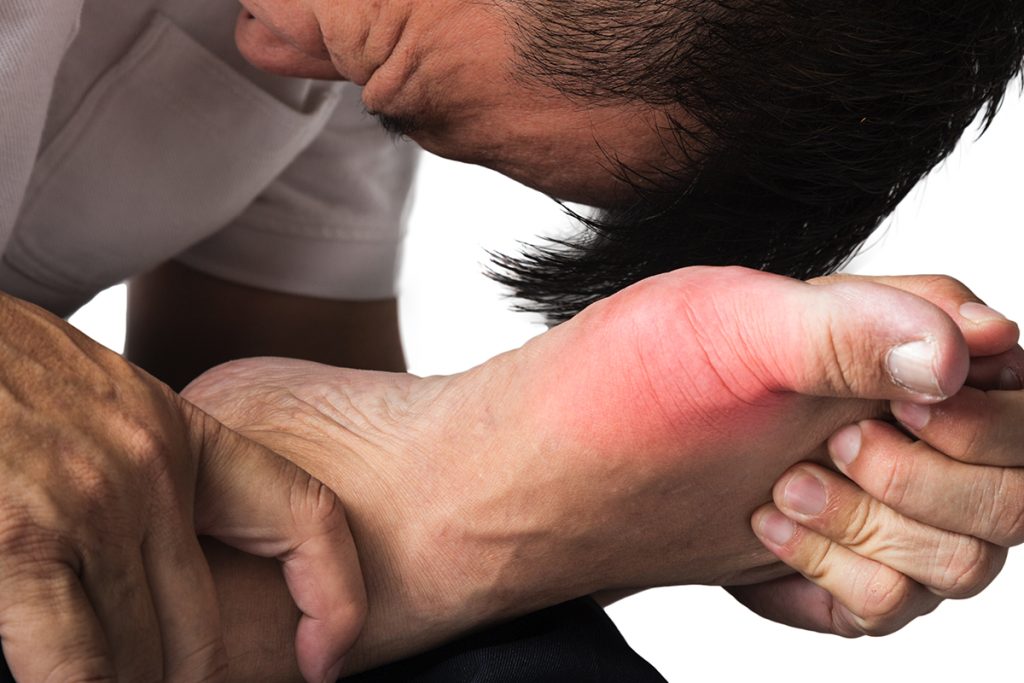
Gout is a type of arthritis caused by an excess of uric acid in the blood. The buildup leads to the formation of sharp crystals in the joints, causing pain and inflammation. Your big toe is usually the canary in the coal mine, the most likely location for gout to start, but it can affect other joints, too. People get gout in their ankles, knees, elbows and wrists. We often see gout in flare-ups, periods of intense pain followed by periods with no symptoms.
What Are The Symptoms of Gout?
Severe joint pain is the primary symptom. Patients report sharp, stabbing pain so intense it wakes them up at night. The pain can last for several hours to a few days and gets worse if untreated. Your joints may also become swollen, red, and warm to the touch. The skin over the joint may look shiny and stretched out. Your joints may also feel stiff or difficult to move, making walking or completing daily tasks hard.
Who Gets Gout, And What Are The Causes?
Gout is caused by high levels of uric acid in the blood. Uric acid is a waste product from the breakdown of purines, chemical compounds in certain foods and drinks. Most people who experience gout are middle-aged, and men are more likely to get a diagnosis than women. Risk factors include:
- A diet high in foods containing purines, including red meat, organ meats, shellfish, and alcoholic beverages (especially beer).
- Obesity: extra weight increases uric acid production and decreases your body’s ability to eliminate it.
- Dehydration: Not drinking enough water can cause uric acid levels to rise.
- Medical conditions like high blood pressure, diabetes, kidney disease and high cholesterol increase your risk.
- Some medications (including diuretics) increase your risk of gout.
- Family history and genetics also play a role.
How Can My Doctor Tell If I Have Gout?
If you have gout symptoms, schedule an appointment with your primary care doctor. She’ll start with a physical exam, checking your joints for swelling, redness and warmth to the touch. She’ll also review your medical and family history and discuss diet and lifestyle. Your doctor can run a blood test for uric acid levels and order an X-ray or ultrasound to check for uric acid crystals. She can also confirm gout with a joint fluid test, extracting a small amount of joint fluid with a needle and having it checked for uric acid in a lab.
How Can I Manage My Gout Flare-Ups?
 Several medications help patients manage gout flare-ups, both over-the-counter and prescription. Many patients start with Nonsteroidal Anti-Inflammatory Drugs (NSAIDS) like ibuprofen and Aleve to manage pain and inflammation. Prescription options include the oral medication colchicine and corticosteroids, either oral or injected into the joint. Colchicine is a medication that can reduce inflammation and pain from gout, especially if taken early in a flare-up. For long-term management, your doctor may prescribe medications to lower uric acid levels in the blood. To reduce symptoms, patients also benefit from lifestyle changes, including diet, exercise, and weight management.
How Can I Prevent Gout Flare-Ups?
Changing your diet is the best way to prevent gout flare-ups. Avoid purine-rich foods like red meat, shellfish and sodas. Instead, eat more low-fat dairy, whole grains, fruit and vegetables. Limit alcohol consumption and stay hydrated by drinking plenty of water. Exercise and weight loss can also help you reduce symptoms and avoid flares.
Should I See My Doctor If My Toe Hurts?
“Gout is a manageable condition that responds well to lifestyle changes,” says Dr. Mamta Ojha of Norvinia Health. “Early treatment can help you manage flare-ups and avoid long-term joint damage.”
If you have gout, schedule an appointment with your primary care doctor to make a treatment plan. If you have recurrent attacks, your doctor can help you craft a long-term management plan, along with a diet and exercise regimen. “Gout isn’t fun, but it’s manageable,” Dr. Ojha says. “The earlier you get treatment, the faster you can improve your quality of life.”