
Need arthritis treatment Fairfax patients can rely on? Dr. Mamta Ojha at Norvinia Health provides personalized, evidence-based arthritis care to help you manage joint pain and stay active.
Arthritis is one of the most common causes of joint pain and stiffness, affecting millions of adults and often limiting daily activities like walking, dressing, or simply opening a jar. Whether caused by years of wear and tear or an underlying autoimmune condition, arthritis can significantly impact your quality of life if left unmanaged.
At Norvinia Health, Dr. Mamta Ojha provides comprehensive evaluation and management of arthritis, focusing on reducing pain, preserving joint function, and addressing the chronic conditions that often accompany joint disease.
What Is Arthritis?
Arthritis refers to inflammation of one or more joints, causing pain, swelling, and stiffness. There are more than 100 recognized types of arthritis, but the two most common forms seen in primary care are osteoarthritis and rheumatoid arthritis. Each has a different underlying cause and requires a different management approach.
Common Types of Arthritis We Manage
Osteoarthritis
Osteoarthritis is a degenerative joint condition caused by the gradual breakdown of cartilage, the tissue that cushions the ends of bones. It most commonly affects the knees, hips, hands, and spine, and risk increases with age, obesity, previous joint injury, and repetitive joint stress.
Rheumatoid Arthritis
Rheumatoid arthritis is an autoimmune condition in which the immune system mistakenly attacks the lining of the joints, causing inflammation that can lead to joint damage over time. Unlike osteoarthritis, rheumatoid arthritis often affects joints symmetrically and can also involve fatigue and other organ systems, making early diagnosis and treatment essential.
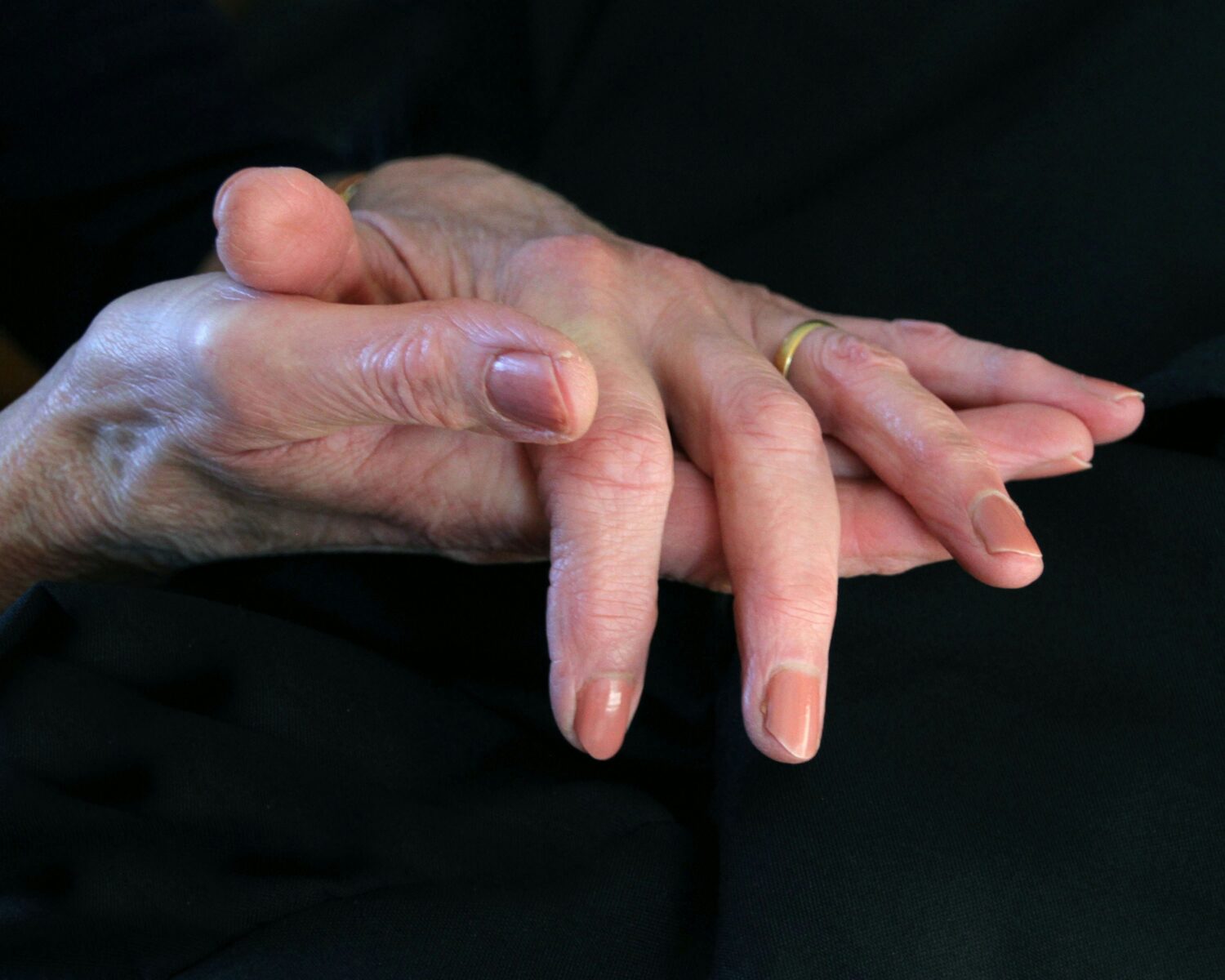
Recognizing the Symptoms of Arthritis
Common symptoms of arthritis include:
- Joint pain that worsens with activity or at the end of the day
- Stiffness, especially in the morning or after periods of rest
- Swelling, warmth, or tenderness over the affected joint
- Reduced range of motion
- Visible joint changes or deformity in advanced cases
- Fatigue and generalized achiness, particularly with rheumatoid arthritis
If joint pain persists for more than a few weeks or is accompanied by swelling and stiffness, it is important to be evaluated by your primary care physician.
Why Your Primary Care Physician Plays a Key Role
Arthritis rarely occurs in isolation. Many patients with joint disease also manage related conditions such as obesity, diabetes, or heart disease, all of which can influence treatment decisions and joint health. Your primary care physician is uniquely positioned to coordinate your overall care.
During your evaluation, your physician will:
- Review your symptoms, joint exam findings, and functional limitations
- Order laboratory tests or imaging only when the results will guide treatment
- Coordinate referrals to rheumatology, orthopedics, or physical therapy when needed
- Monitor medication effectiveness and screen for side effects
- Help manage weight, blood sugar, and other conditions that affect joint health
Diagnosing Arthritis
Diagnosis begins with a detailed history and physical examination of the affected joints. Depending on the findings, your physician may recommend blood tests to check for inflammatory markers or imaging such as X-rays or ultrasound. As with other chronic conditions, testing is individualized so that results directly inform your treatment plan rather than being performed routinely.
Treatment and Management Options
The goals of arthritis treatment are to relieve pain, reduce inflammation, preserve joint function, and slow disease progression. Depending on the type and severity of arthritis, management may include:
- Anti-inflammatory medications and pain relievers
- Disease-modifying antirheumatic drugs (DMARDs) for rheumatoid arthritis
- Physical therapy and targeted strengthening exercises
- Weight management to reduce stress on weight-bearing joints
- Joint injections when appropriate
- Assistive devices and joint protection techniques
- Referral for surgical evaluation in cases of advanced joint damage

Lifestyle Strategies to Protect Your Joints
In addition to medical treatment, several lifestyle habits can help protect your joints and reduce arthritis symptoms:
- Maintain a healthy weight to reduce joint stress
- Engage in low-impact exercise such as swimming, cycling, or walking
- Follow a balanced, anti-inflammatory diet
- Prioritize sleep and manage stress
- Avoid smoking, which can worsen joint inflammation
- Use joint-friendly techniques during daily activities
Arthritis Care at Norvinia Health
At Norvinia Health, Dr. Mamta Ojha provides personalized arthritis care based on current evidence and guidelines. We take a whole-person approach, addressing joint pain alongside related conditions such as weight, blood pressure, and blood sugar to help you stay active and comfortable.
If joint pain is limiting your daily activities, don’t wait to seek care. Contact us to schedule your arthritis evaluation with Dr. Ojha.
Related Conditions We Manage
Joint health is closely connected to overall wellness. Explore related primary care services at Norvinia Health:
- Weight Loss & Obesity Management
- Heart Disease Prevention
- Diabetes Management
- Hypertension Treatment
- All Primary Care Services
References & Guidelines
- Centers for Disease Control and Prevention – Arthritis
CDC Arthritis Overview and Data - American College of Rheumatology – Patient Resources
American College of Rheumatology – Patient Information - Arthritis Foundation
Arthritis Foundation – Disease Education and Support