
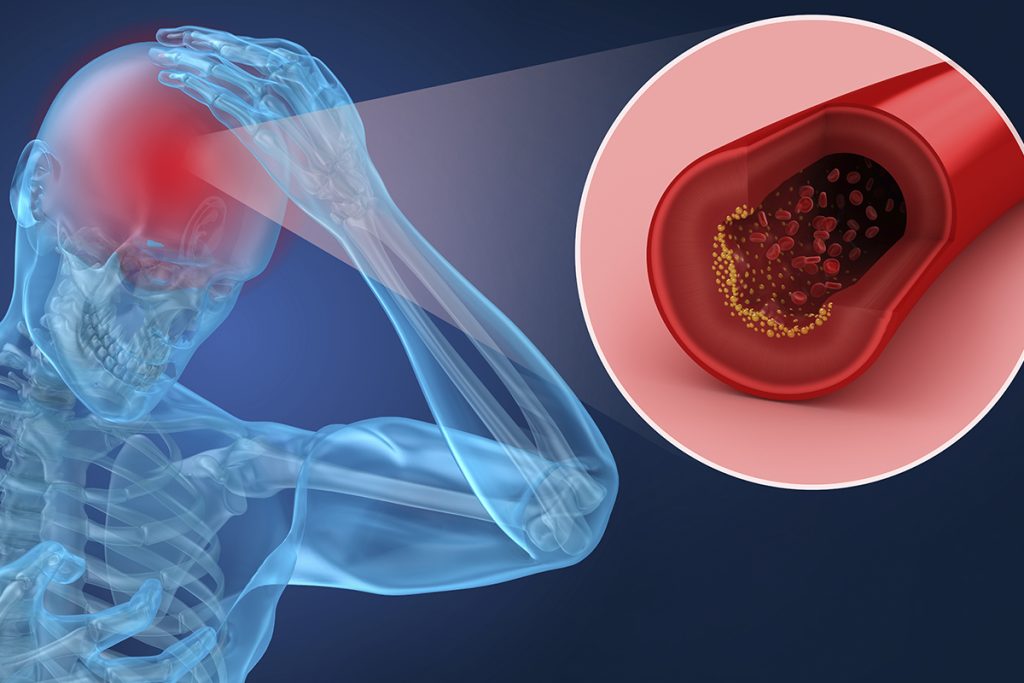
 As we get older, the thought of experiencing a stroke can become a terrifying preoccupation. What would we do if we were incapacitated? Would our spouse or loved ones have to take care of us? The good news is that most strokes are preventable with wellness efforts and access to primary care. It’s also essential for patients and family members to know the warning signs of a stroke so they can take quick action when it occurs. Acting fast can prevent disability and death.
What Is A Stroke?
Strokes occur when blood flow to your brain is cut off, usually by a blood clot. Stroke is a common cause of death and a leading cause of disability for American adults, with around 800,000 Americans experiencing a stroke each year. The CDC confirms that a significant majority of strokes are preventable. In many cases, we can prevent strokes with lifestyle changes, medications and ongoing communication with our primary care doctor. Another essential tool is acting fast if we suspect a stroke. With the right information and the ability to act quickly when we suspect a stroke is occurring, we can protect our health and possibly save a loved one’s life.
Are There Different Types of Strokes?
Strokes fall into three categories:
- Nearly 90 percent of strokes are ischemic strokes, which occur when blood flow to the brain is blocked, often by a blood clot.
- A hemorrhagic stroke happens when an artery in the brain leaks or ruptures. It can be caused by high blood pressure or aneurysms.
- A transient ischemic attack (a “mini-stroke) happens when blood flow to the brain is blocked temporarily. Don’t brush off a TIA: it’s a red flag for future strokes and requires immediate medical attention.
How Can I Tell If Someone Is Having A Stroke?
The CDC identifies several warning signs of a stroke. Call 911 if you notice:
- Numbness or weakness in the face, arm or leg, especially on one side of the body.
- Confusion, trouble speaking or difficulty understanding speech.
- Sudden trouble seeing in one or both eyes.
- Sudden trouble walking, dizziness or loss of balance.
- Sudden severe headache with no known cause.
What Should I Do If I Think Someone Is Having A Stroke?
Acting quickly is the best way to prevent brain damage or death from stroke. That’s why we use the acronym FAST:
- Face: Look for drooping on one side of the face
- Arms: ask the person to raise both arms and see if one arm drifts downward.
- Speech: check for slurred or strange speech.
- Time: if you notice any of these signs, call 911 right away.
Note what time you noticed symptoms. This may help healthcare providers determine how to treat the patient.
How Can I Prevent A Stroke?
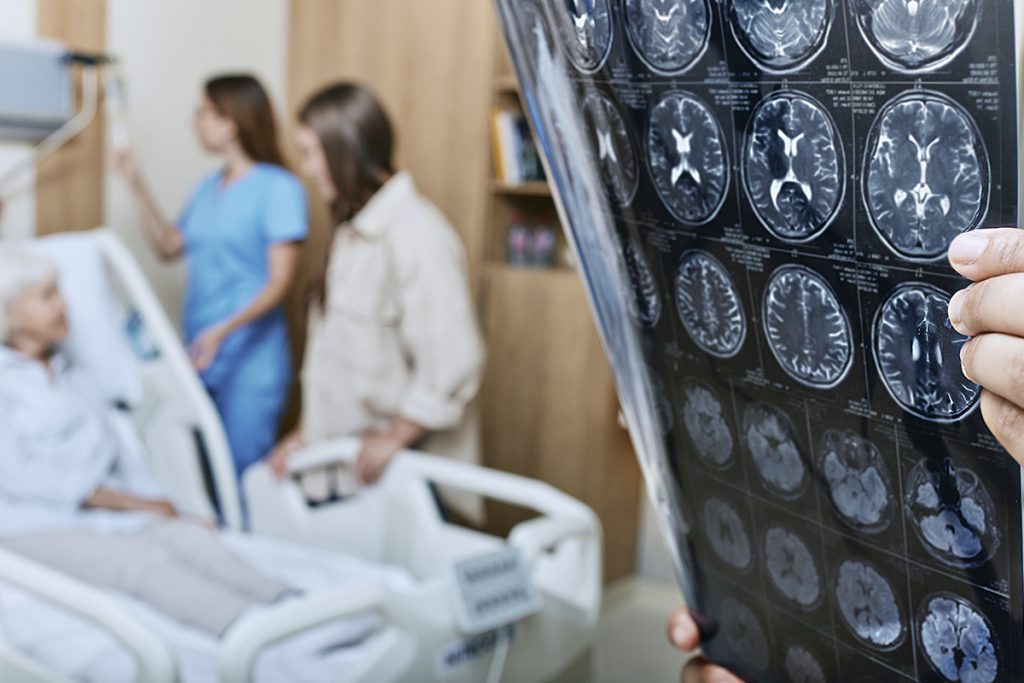 Eighty percent percent of strokes are preventable, according to the CDC. Risk factors for stroke include obesity, high blood pressure, diabetes and high cholesterol. Sleep apnea, particularly obstructive sleep apnea, is a major cause of stroke, even without any of the previous factors. Making lifestyle changes and keeping up with routine visits with your primary care doctor can help you take care of yourself. Managing underlying health conditions, maintaining a healthy weight, exercising, and eating a healthy diet can help your vascular health and prevent strokes. Managing stress is another essential component: practicing mindfulness and seeing a therapist if necessary can reduce stress’s physical toll on your body. Avoiding tobacco products and limiting alcohol consumption can also help.
Seeing your primary care physician for regular checkups can help you stay healthy and catch warning signs early. Annual well visits can help you diagnose and manage diabetes, high cholesterol and high blood pressure with lifestyle changes and medications. At Norvinia Health, Dr. Mamta Ojha works with patients to increase wellness, including managing complex care for multiple underlying conditions. When we keep obesity and high blood pressure under control, we are taking tangible, positive steps toward reducing stroke risk. We understand your primary care doctor’s vital role in keeping you healthy on every level. If your weight, diabetes, or high blood pressure concerns you, now is the time to make changes for better overall health.