
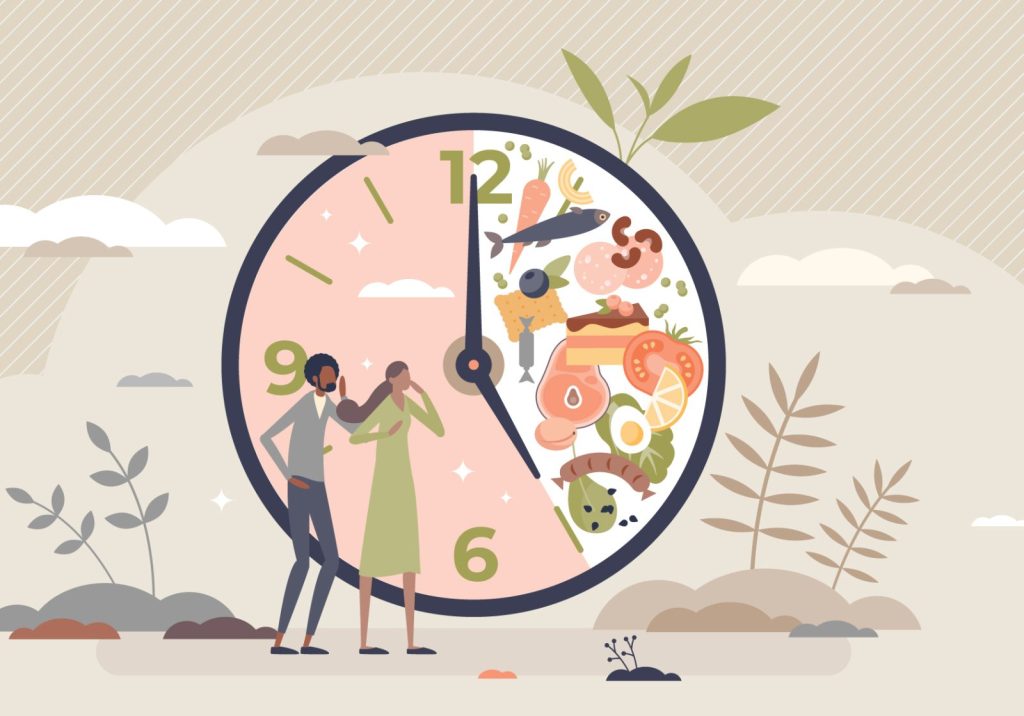
 If you’re into wellness, you’ve probably heard about intermittent fasting. The trendy weight loss movement is based on fascinating science and is achieving results for folks from all walks of life. But is intermittent fasting safe? How do you get started, and what do you need to know for a successful outcome?
What Is Intermittent Fasting?
Instead of focusing strictly on what you eat, intermittent fasting also focuses on when you eat. It involves limiting your eating to specific periods during the day or week. There are several approaches:
- Daily time-restricted fasting involves eating normally but restricting yourself to an eight-hour window each day. For example, you could skip breakfast or dinner while eating two other meals within the window.
- 5:2 fasting involves eating a regular diet five days a week and fasting twice a week with a single 500 to 600-calorie meal.
- Alternate-day fasting involves eating a normal diet one day and then fasting or having one small meal of less than 500 calories the next day.
How Does Intermittent Fasting Work?
Fasting helps your body burn fat by depriving it of the glucose or sugars in food. According to Johns Hopkins Medicine, when your body goes hours without food, it burns up its sugar stores and starts burning fat. This process is called “metabolic switching.” Intermittent fasting extends the fat-burning period. When you eat a meal, your body uses glucose for energy and stores excess fat in your tissue. When you fast, your body turns to the stored fat, breaking it down into glycerol and fatty acids, which it uses for energy.
Can Intermittent Fasting Improve My Health?
Fasting can help patients lose weight, which has several health benefits. However, studies suggest that the positive impact of fasting goes beyond weight loss alone. It can help your cognitive and physical fitness and may even extend your lifespan.
Losing weight helps lower your risk of obesity-related conditions, including diabetes, sleep apnea and some types of cancer. Of course, we can achieve weight loss through a range of approaches. However, research suggests several areas where intermittent fasting has an edge over other lifestyle changes, including reducing inflammation. This may help with conditions like Alzheimer’s Disease, arthritis, asthma, Multiple Sclerosis and stroke.
A 2019 New England Journal of Medicine study showed that intermittent fasting has benefits beyond weight loss. Thanks to adaptive cellular responses in the body, fasting can increase stress resistance and suppress inflammation. As the study points out, “Our human ancestors did not consume three regularly spaced, large meals, plus snacks, every day, nor did they live a sedentary life. Instead, they were occupied with acquiring food in ecologic niches in which food sources were sparsely distributed.”
When you fast, your body kicks into high gear, ramping up antioxidant defenses, DNA repair, protein quality control and reducing inflammation, the study’s authors note. Decades of research on animals show that calorie restriction can slow aging and extend lifespan. Studies on animals have also demonstrated improved physical endurance and cognitive function. We still have much to learn about intermittent fasting’s effects on humans, but it’s bringing healthy results for many.
What Can I Eat When I’m Fasting?
While fasting, you can drink water and calorie-free beverages like black coffee or tea. During your eating windows, keep in mind that “eating normally” doesn’t mean going crazy with desserts or junk foods. If you take things too far, you may counteract your weight loss efforts. Make good choices with whole grains, greens and other vegetables, lean proteins and healthy fats.
Is Intermittent Fasting Safe?
Research suggests intermittent fasting is safe for many dieters but is not the right approach for everyone. That’s why it’s so important to talk with your primary care doctor before starting a new diet program.
Side effects can include hunger, fatigue, insomnia, nausea and headaches. If you’re healthy, many side effects will disappear after a week or two and you’ll start feeling better. However, it may not be the right approach for pregnant, nursing mothers or patients with some underlying conditions, including diabetes. Also, according to Johns Hopkins, going too long without eating can encourage your body to store fat and make it harder to lose weight. So it’s not recommended to prolong fasting beyond the prescribed limits.
Overall, the consensus is that intermittent fasting is safe for healthy adults and can have significant health benefits. However, it’s always a good idea to check with your primary care doctor, especially if you have a chronic health condition. At Norvinia Health, Dr. Ojha will explore your wellness goals and medical history and develop a personalized approach that checks all the boxes.