
 It seems like everyone is talking about measles these days and with good reason. The U.S. is experiencing one of the most significant outbreaks since the U.S. eliminated the disease 25 years ago. A multi-state outbreak has seen over 500 cases and two deaths as of late March. While measles is considered a childhood illness, adults can get it too. Recently, a pregnant mom in Texas infected with measles exposed newborns to the virus, creating a public health emergency. The recent outbreaks have caused many adults to wonder if they still have immunity or need a booster shot. Here’s a look at some steps adults can take to protect themselves.
What Is Measles?
Measles is a highly contagious viral infection, also known as rubeola. It primarily affects children but can also impact adults. The good news is that measles is preventable by vaccination. The bad news is that measles cases are rising in the U.S., and many adults wonder whether they still have immunity. Measles can cause life-threatening complications, including encephalitis or swelling in the brain. One of the world’s most contagious diseases, so much so that if you aren’t vaccinated, you have a 9 out of 10 chance of contracting the disease if you’re exposed, according to the CDC. Measles can spread through the air when an infected person coughs, sneezes, or even talks–and can survive on surfaces.
Can I Get Measles As An Adult If I Was Vaccinated As A Child?
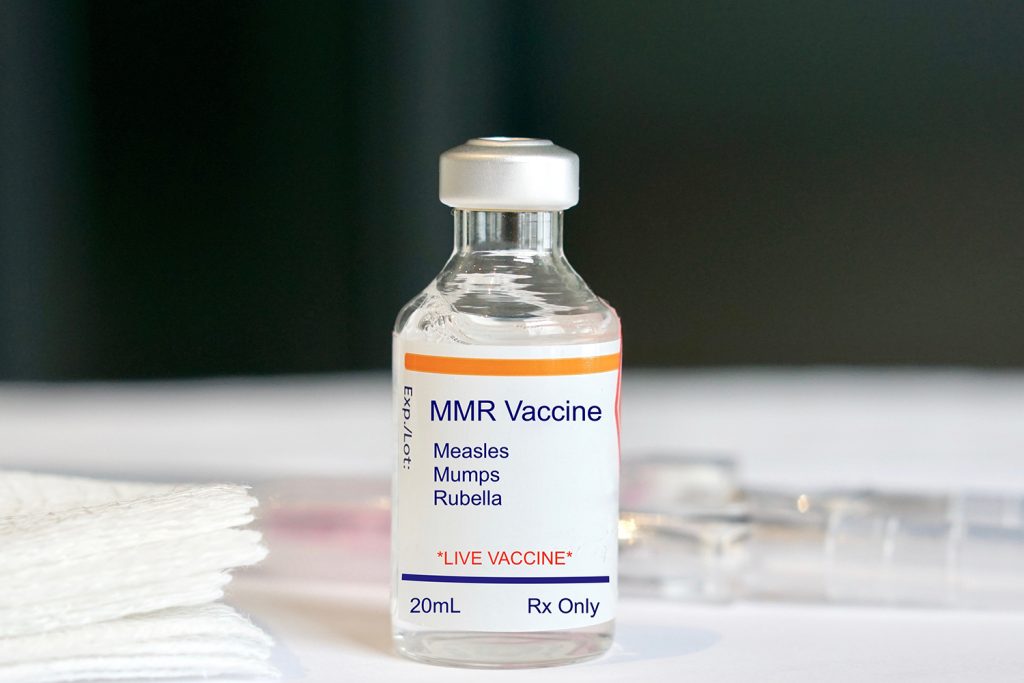 Adults can and do get measles, especially if they’ve never been vaccinated. During the 2025 outbreak, unvaccinated adults have been infected, especially in areas with low vaccination rates. Pregnant women, people with weakened immune systems, and patients with certain underlying conditions are at higher risk of complications from measles.
The current MMR (Measles, Mumps, Rubella) vaccine is a highly effective two-dose vaccine with 97 percent effectiveness. MMR immunizations have been helping prevent life-threatening viruses since the early 1970s. However, many adults born before 1975 only received one dose of the vaccine. Patients now receive a first dose around their first birthday and a second dose between the ages of 4 and 6. Most patients who have had two doses are protected from contracting the virus. However, some adult patients (especially GenXers born in the 70s) are unsure about their vaccination status. Some adults may have only received one dose of the vaccine, and there’s also a chance immunity may wane over the decades. If you’re uncertain about your vaccination status, it’s a good idea to check your immunity levels and schedule a booster to be safe.
How Can I Tell If I Have Immunity To Measles?
If you’re unsure of your vaccination status, you may be able to check with your doctor’s office or verify using state records. If you can’t access your immunization records, your primary care doctor can give you a blood test to check immunity by measuring antibody titers. Many adults who work in healthcare or have public-facing jobs are opting to get boosters to be on the safe side.
What Are The Symptoms of Measles In Adults?
When we think of measles, we usually think of the telltale spotty rash. However, the rash is usually one of the later symptoms to appear. Early symptoms include a high fever, cough, runny nose, sore throat, and red, watery eyes. You may also notice small white Koplik spots inside your mouth. The rash usually appears three to five days after the first symptoms, starting around the hairline and moving down.
What Should I Do If I Think I Have Measles?
If you have measles symptoms, avoiding severe complications and preventing the spread to others are top concerns. Contact your primary care doctor and tell them about the possibility of measles so they can take precautions to protect staff and other patients during your visit. You are most contagious four days before and four days after a rash appears, so you should isolate and avoid public places, including work and school, during that time. While there’s no specific antiviral treatment for measles, doctors may recommend supportive care like fever-reducing medications, hydration, and vitamin A supplements to reduce the risk of complications.
How Can I Avoid Measles Infection?
Vaccination is the best way to prevent measles. If you’re unvaccinated or have only had one dose of the MMR vaccine, talk with your primary care doctor about scheduling a booster shot. Measles outbreaks may occur in places where vaccination rates are low. So staying current on outbreak news and public health alerts in your community can also help you avoid infection. Fortunately, Virginia has not seen any cases during the current outbreak, and vaccination rates in Northern Virginia are high, offering a layer of protection to our community. However, Dr. Ojha and the team at Norvinia Health remain vigilant about public health concerns and are dedicated to protecting our patients. If you’re unvaccinated, are uncertain about your immunity levels or want to get an MMR booster, contact our office for an appointment.