
 Respiratory infections are raging this winter, with a “quad demic” of COVID, flu, RSV and norovirus. Primary care doctors are always concerned about pneumonia, especially in older and vulnerable populations. This winter, we’ve also seen a rise in walking pneumonia, a milder infection still poses health risks. Catching pneumonia promptly is vital to preventing complications and hospitalizations. While we don’t want to unnecessarily prescribe antibiotics for flu and other viruses, we want to ensure we treat bacterial pneumonia. One of the most essential things is listening to your body for signs that it’s time to see your doctor.
What Is Pneumonia?
Pneumonia is a lung infection that causes inflammation in the air sacs of your lungs. It can be either bacterial or viral. The Streptococcus pneumoniae bacterium causes bacterial pneumonia and is usually a more serious diagnosis than viral pneumonia, which is more common in children. Walking pneumonia is a bacterial respiratory infection caused by a different germ: Mycoplasma pneumoniae. It’s called walking pneumonia because it’s less severe than other forms. However, if you think you have walking pneumonia, you should still see your doctor to avoid a more serious case.
What Are The Symptoms of Pneumonia?
Respiratory illnesses can be scary. We often feel weak and like we can’t breathe. Trouble breathing or shortness of breath is one of the primary symptoms of pneumonia. Other symptoms to watch for include:
- Chest pain when you breathe or cough
- Coughing up phlegm or pus
- Fever and chills are common, but some patients (especially older adults) may experience lower body temperature.
- Walking pneumonia, symptoms are usually mild and sometimes resemble a cold: cough, fever and sore throat. However, one of the red flags for walking pneumonia is its persistence, with a cough that can last for weeks.
When Should I See A Doctor?
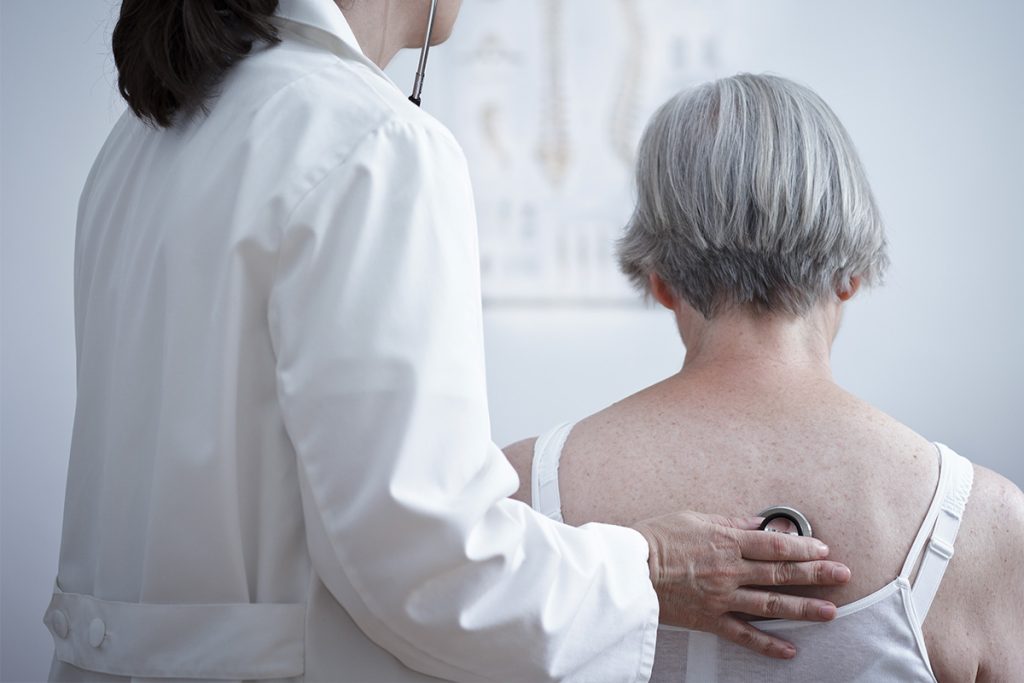 Some of us hesitate to go to the doctor during flu season. We may expect the “rest and fluids” response, which is often the best advice for viruses. However, with pneumonia, we want to get diagnosed and treated to avoid complications. One of the signs it’s time to see a doctor with a respiratory infection is when you have a fever that goes away and then comes back. Other indications that it’s time to get checked out include a lingering fever of 102 or higher, a persistent cough (especially if coughing up pus) or trouble breathing.
Why Are Complications From Pneumonia So Concerning?
Complications from pneumonia can be dangerous or even life-threatening, especially for people in high-risk groups. Early diagnosis can help prevent complications, including:
- Bacteria in the bloodstream.
- Breathing difficulties may mean you’re not getting enough oxygen.
- Fluid buildup in your lungs may become infected, requiring hospitalization
- Lung abscess with pus forming in your lung cavity.
How Can I Prevent and Treat Pneumonia?
Protecting your overall health is one of the best ways to prevent pneumonia.
- We recommend the pneumococcal vaccine for patients 50 and older and those with weakened immune systems. Getting your flu shot every year can help prevent secondary infections.
- Wash your hands regularly and consider wearing a mask in crowded spaces if you are high-risk.
- Keep your immune system strong with a healthy diet and exercise.
- Manage chronic conditions like diabetes and high blood pressure with help from your primary care doctor.
If you are diagnosed with pneumonia, our goal is to treat the infection and prevent complications. Oral antibiotics are usually the first step. In severe cases, we may recommend hospitalization, especially in older patients who have symptoms like rapid breathing, low blood pressure, low heart rate or a low body temperature.
How Can My Primary Care Help With Pneumonia?
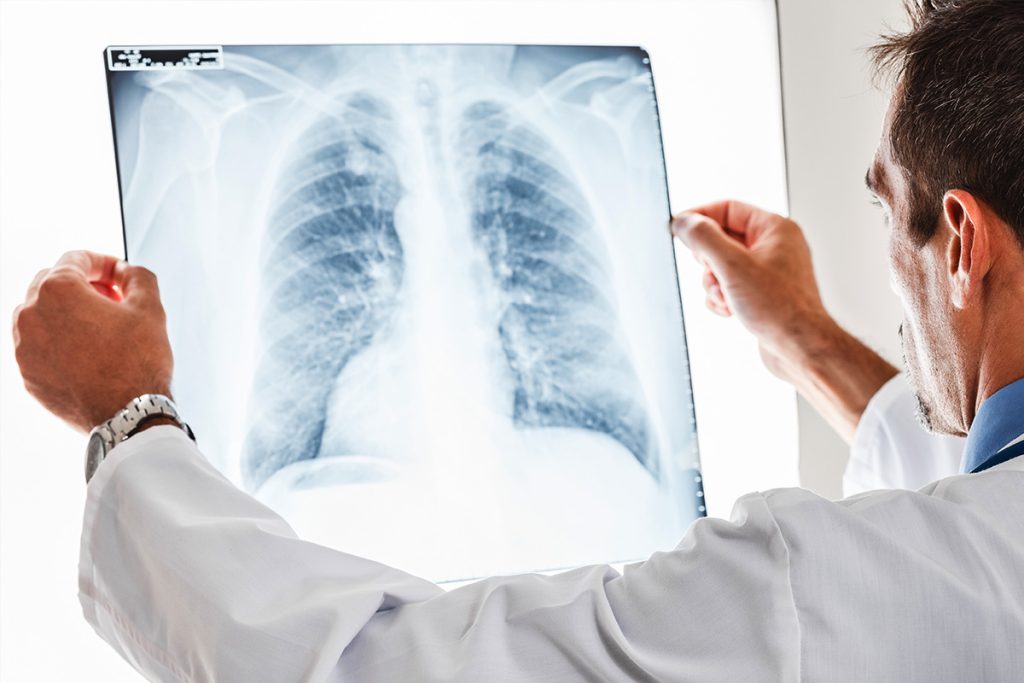
Staying current with well-visits is one of the most important things you can do to stay healthy. We’ll help keep you up to date on vaccinations and ensure you’re managing chronic conditions. If you have pneumonia symptoms, we can test for pneumonia, starting with a pulse oximeter to check oxygen levels in your blood. We’ll check for bacteria with a blood or sputum test and may recommend a chest x-ray. Your primary care doctor usually knows your medical history, but be sure to let her know about any recent changes or hospitalizations. At Norvinia Health, we’re very attuned to possible complications from pneumonia as this winter’s “quad-demic” makes its way across the country. It’s a challenging time to navigate, especially for high-risk patients and older adults. As always, we aim to help you thrive with preventive care and fully support you when you feel sick.