
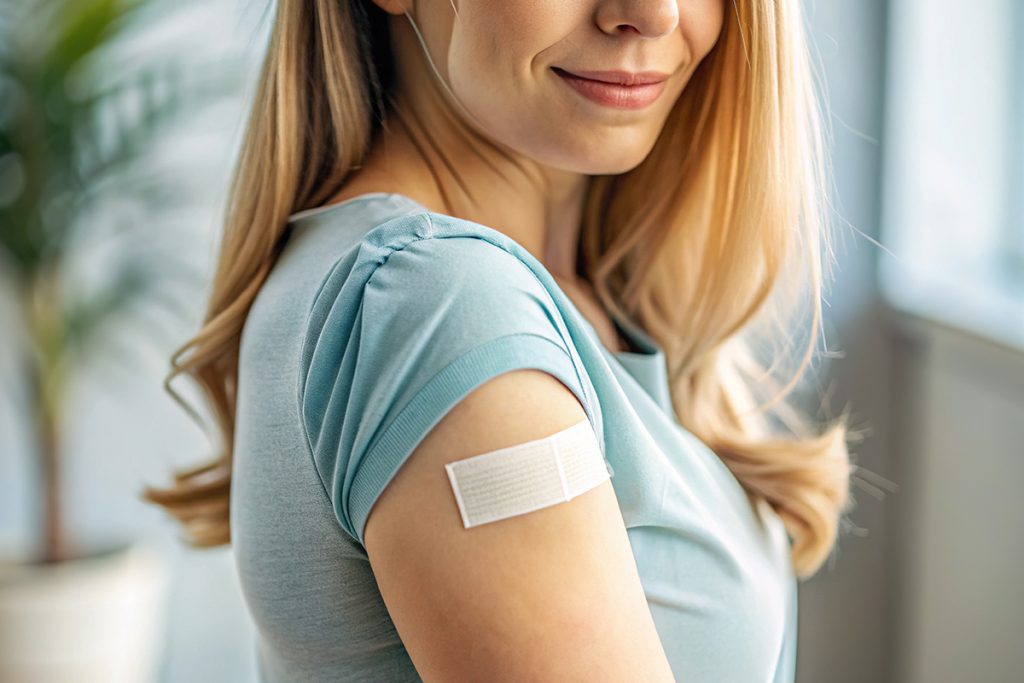
 If you’re over 50 and haven’t experienced shingles, consider yourself lucky. For many of our patients, it’s one of the most uncomfortable experiences they’ve encountered, with an unbearably itchy rash and potential lingering nerve pain. Aside from the pain, one of the reasons so many patients dread shingles is that it’s unpredictable and can interfere with your daily life in significant and disruptive ways. Fortunately, we now have a safe and effective vaccine to prevent shingles; however, many patients aren’t yet aware of its benefits.
What Is Shingles?
Shingles is a painful rash caused by the reactivation of the chickenpox (varicella) virus in your body. Many of us had chickenpox as kids before the development of varicella vaccines. However, you may not be aware that the virus remains dormant in your body and can reappear as shingles (also known as herpes zoster). Shingles can occur in anyone who has had chickenpox, and the risk increases with age as the immune system weakens. According to the CDC, one in three adults will get a shingles diagnosis. The itching, pain and discomfort associated with the virus are among the reasons many patients want to avoid it at all costs. In addition to the telltale rash, shingles can cause inflamed nerves and other complications, including vision problems and even blindness in severe cases.
What Are The Symptoms of Shingles?
Most patients first notice painful tingling or burning on one side of the body. Then, patients experience a red rash that turns into fluid-filled blisters. The most common locations for rashes are the abdomen, torso or back. The name “shingles” originates from the Latin word for “girdle” or “belt” due to the telltale rash typically found around the waist, torso, or back. However, people also get shingles on the arms, legs, face and ears. Other symptoms can include fatigue, fever and lingering nerve pain (postherpetic neuralgia).
 Who Should Get The Shingles Vaccine?
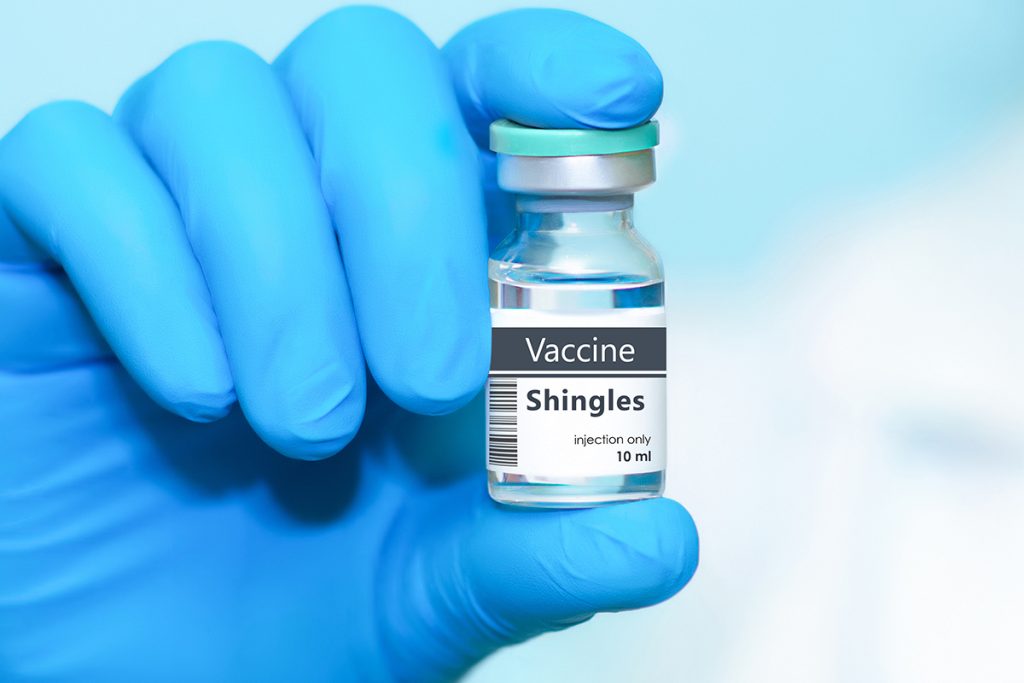
The CDC recommends the shingles vaccine for all adults 50 and older, even if they’ve already had shingles. It’s also recommended for patients 19 and over with weakened immune systems. The relatively new Shingrix (RZV) vaccine is safe and over 90 percent effective at preventing shingles and its complications. It’s a simple step that offers lasting protection and can prevent weeks of pain, discomfort and disruption.
What Should I Expect With The Shingles Vaccine?
Shingrix is a two-dose vaccine, and you should receive the second dose two to six months after the first. Common side effects include a sore arm, fatigue and a mild fever. The shingles vaccine is covered by most insurance plans, including Medicare Part D, as part of a robust preventive care action plan.
How Do I Know If The Shingles Vaccine is Right for Me?
The shingles vaccine is a safe and effective step you can take to prevent a painful and disruptive disease. However, nearly two-thirds of eligible patients still aren’t getting this highly effective immunization. Researchers note that there may be confusion regarding insurance coverage. Unfortunately, some patients may confuse the shingles virus (herpes zoster) with an STD with a similar name and believe they aren’t at risk. Patients may also worry about committing to a two-dose vaccine.
“As primary care doctors, we’re working to educate patients about the benefits of the shingles vaccine,” says Mamta Ojha of Norvinia Health. “This safe and effective immunization prevents the painful rash and potential longer-term nerve pain and vision problems.”
If you’ve ever experienced shingles, you’ll understand why prevention is so vital. If you have been fortunate enough to avoid the virus, your primary care doctor can answer any questions you have about the vaccine’s benefits and safety. If you could avoid weeks of needless pain and discomfort, why say no? Call Norvinia Health in Fairfax, Virginia to schedule an appointment.