
For decades, migraines were a mystery. What caused these powerful phenomena that went way beyond headaches? Even after identifying the symptoms, we were at a loss for the causes. While we still haven’t figured everything out, we now have more insight into migraines and many excellent new treatment options. If you experience migraines, your primary care physician is an excellent resource.
 What Is A Migraine?
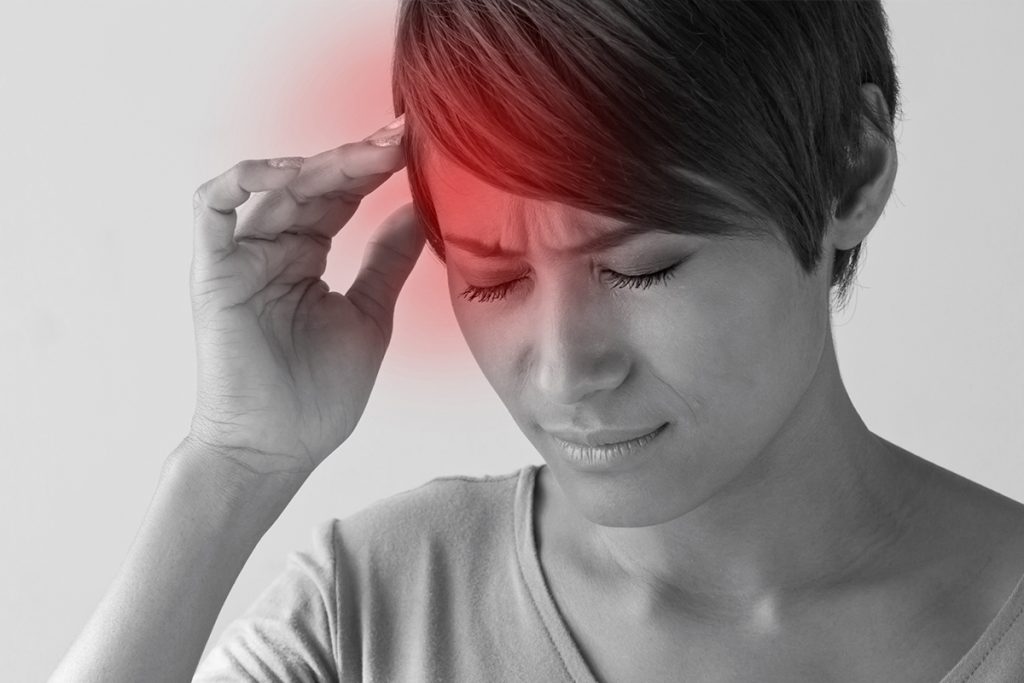
A migraine is more than a run-of-the-mill headache. While a headache is one of the best-known symptoms, migraines are complicated, and no two patients are alike.
The medical community has identified two types of migraines. Common migraines involve headaches, fatigue, blurred vision and sensitivity to light. Aura migraines are less common but can also be scarier. They involve neurological symptoms, including visual disturbances, numbness, muscle weakness on one side of the body, difficulty speaking, confusion and tingling in the hands or face. Unlike a passing headache caused by tension, hunger or fatigue, migraines are often extended ordeals that last for days.
We can break migraines into four phases, according to the National Institute of Neurological Disorders and Stroke.
- Patients may experience food cravings, mood changes, fluid retention and increased urination during the “premonitory” (or pre-migraine) phase.
- While not every migraine patient gets headaches, a throbbing headache is the most common symptom. They usually start gradually and intensify.
- Patients may see auras before or during migraines. An aura can appear as flashing or bright lights or waves.
- After a migraine, you may be exhausted, worn out or confused. This phenomenon is called the postdrome period.
What Causes Migraines?
We’ve learned a lot about migraines in recent years. One significant finding is that they are probably related to blood flow in the brain. We know that migraines are far more common in women than in men, and evidence suggests that some migraines may be related to hormones affecting the menstrual cycle. It may be one reason women’s symptoms often improve after menopause. We also see more migraines in patients with underlying mental health and neurological conditions. Environmental and lifestyle changes can also act as triggers. Potential triggers include:
- Loud or sudden noises
- Stress or anxiety
- Sudden changes to the weather (for example, barometric changes during a rainstorm)
- Too much or insufficient sleep
- Strong odors, fumes or artificial scents
- Low blood sugar
- Not drinking enough water
- Certain foods and beverages, including artificial sweeteners, alcohol, caffeine and dairy products, as well as specific fruits (citrus, bananas, avocados) and vegetables (onions and tomatoes), are also triggers in some patients.
- Tyramine, an ingredient found in many fermented foods, has been identified as a trigger in some patients.
How Do I Know If I’m Having A Migraine?
Migraines usually involve a throbbing headache on one side of the head. Other symptoms include:
- Blurred vision
- Increased sensitivity to light and noise
- Nausea and vomiting
- Weakness and exhaustion
- Mood changes
- In the case of aura migraines, you may experience neurological symptoms, including visual disturbances, numbness, muscle weakness on one side of the body and trouble speaking.
How Can I Prevent Migraines?
Keeping a diary to record symptoms and potential triggers is an excellent first step. Once you’ve identified your triggers, you can start to address them.
- Get plenty of sleep.
- Identify and avoid your food triggers. These can include cheeses, alcohol, fermented foods, coffee and chocolate.
- Many patients find relief with a regular yoga practice. Gentle yoga can calm your mind, lower blood pressure and improve blood flow.
- Mental health treatments, including cognitive behavior therapy, can help reduce stress and improve sleep patterns. Your primary care doctor can refer you to a mental health professional.
- Your doctor may recommend prescription medications to prevent and treat migraines.
 Are There Treatments For Migraines?
There are more treatments for migraines than ever, including several newly approved drugs. Many patients are surprised to learn that a popular cosmetic treatment is now used for migraines. Clinical trials have shown that Botox can successfully treat chronic migraines. Botox injections to the head and neck can disrupt neurotransmitters that cause your body to feel pain.
Other drugs have also had success in treating migraines. Last year the FDA approved a new nasal spray called Zavzpret as a rapid treatment. Zavzpret blocks a protein called CGRP that causes inflammation in the brain. Several oral medications that block CGRP can also treat migraines. Another class of drugs called triptans changes how the blood flows in your brain and how it processes pain signals. Released in 2020, Lasmiditan is a serotonin receptor agonist that can treat acute migraines. Another approach that works for some patients is preventing migraines with medications approved for other conditions. These include beta blockers approved for high blood pressure, some antidepressants and anti-seizure drugs, including valproate and topiramate.
Migraines can be nothing short of debilitating. The more we understand about migraines, the better we can treat patients. Lifestyle changes are a vital way to prevent and treat migraines. However, many patients need additional support with medications and other therapies. Your primary care doctor is an excellent resource for diagnosing and treating migraines. With a better view of the causes and triggers of migraines–and several new types of drugs approved in the last five years, your doctor has more options than ever for helping you find relief. At Norvinia Health, Dr. Ojha’s focus is finding the best solutions for migraine patients considering their complete medical history. Is trying a beta blocker for prevention the best approach–or is a new drug for acute treatment the way to go? With several promising new therapies, we’re confident we can help patients manage migraines and lead happier, more productive lives.