
Could your loved ones be having dementia? Dr. Mamta Ojha at Norvinia Health provides compassionate, evidence-based evaluation and ongoing care coordination to help Fairfax families recognize the early signs of cognitive decline and get the answers they need.
Noticing memory lapses, confusion, or personality changes in a parent, spouse, or other loved one can be frightening and disorienting. Dementia affects not only the person experiencing it but the entire family, and many people are unsure of when normal aging ends and a medical concern begins.
At Norvinia Health, Dr. Mamta Ojha helps patients and families understand cognitive changes, coordinates appropriate testing, and builds a long-term plan for managing memory and thinking problems alongside overall health.
What Is Dementia?
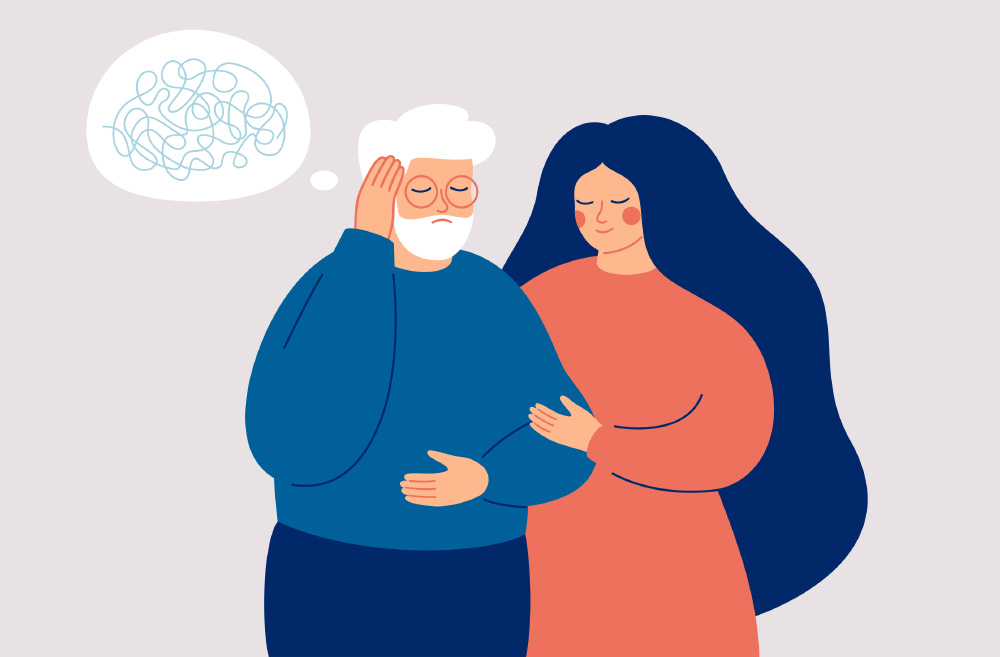
Dementia is not a single disease but an umbrella term for a decline in memory, thinking, reasoning, or communication severe enough to interfere with daily life. It is caused by damage to brain cells and can result from several different underlying conditions. While occasional forgetfulness is a normal part of aging, dementia involves a persistent, progressive decline that affects a person’s independence.
Common Types of Dementia We Help Manage

Alzheimer’s Disease
Alzheimer’s disease is the most common cause of dementia, accounting for the majority of cases. It develops when abnormal protein deposits build up in the brain, gradually damaging the connections between neurons and leading to progressive memory loss and confusion.
Vascular Dementia
Vascular dementia occurs when reduced blood flow to the brain, often related to high blood pressure, diabetes, or prior strokes, damages brain tissue over time. Because many of its risk factors are also cardiovascular risk factors, vascular dementia is one of the few types that can often be slowed or partially prevented through medical management.
Other Causes of Cognitive Decline
Dementia-like symptoms can also stem from Parkinson’s disease, Lewy body disease, thyroid disorders, vitamin deficiencies, medication side effects, or depression. Some of these causes are reversible once identified, which is why a thorough evaluation matters.
Could Your Loved One Be Having Dementia? Warning Signs to Watch For
Families are often the first to notice subtle changes. Consider scheduling an evaluation if your loved one is showing:
- Memory loss that disrupts daily life, such as repeating questions or misplacing items
- Difficulty planning, problem-solving, or following familiar recipes and routines
- Confusion about time, dates, or familiar places
- Trouble finding the right words or following conversations
- Poor judgment or unusual decisions about money or safety
- Withdrawal from work, hobbies, or social activities
- Changes in mood, personality, or increased anxiety and suspicion
These changes can be easy to dismiss as normal aging, stress, or a busy schedule. If they are new, progressive, or affecting daily functioning, it is worth bringing them to your primary care physician.
Why Your Primary Care Physician Plays a Key Role
Your primary care physician often knows your loved one’s baseline health and history better than any other provider, making them well positioned to notice change over time. During an evaluation, your physician will:
- Review memory concerns, daily functioning, and family history
- Perform cognitive screening tests in the office
- Order bloodwork to rule out reversible causes, such as thyroid problems or vitamin deficiencies
- Review medications that may be contributing to confusion
- Coordinate imaging or referral to neurology or geriatric specialists when needed
- Support the family with ongoing monitoring and care planning
Diagnosing Dementia
There is no single test for dementia. Diagnosis typically involves a detailed history from both the patient and family members, an in-office cognitive assessment, laboratory testing, and sometimes brain imaging. Because several treatable conditions can mimic dementia, a careful evaluation helps ensure that reversible causes are not overlooked before a diagnosis is made.
Treatment and Management Options
While not all forms of dementia can be cured, many can be managed to preserve function and quality of life for as long as possible. Depending on the diagnosis, a treatment plan may include:
- Medications to help slow cognitive decline or manage related symptoms
- Careful management of blood pressure, blood sugar, and cholesterol to protect brain health
- Review and adjustment of medications that may worsen confusion
- Referral to neurology, geriatrics, or memory care specialists
- Coordination with therapy services, including occupational and speech therapy when appropriate
- Support and education for caregivers and family members
Lifestyle Strategies to Support Brain Health
Whether protecting against future decline or supporting a loved one already diagnosed, several habits can help support brain health:
- Stay physically active with regular, moderate exercise
- Keep blood pressure, blood sugar, and cholesterol well controlled
- Stay socially engaged with family, friends, and community activities
- Challenge the mind with reading, puzzles, or learning new skills
- Prioritize quality sleep and treat sleep disorders such as sleep apnea
- Avoid smoking and limit alcohol intake
- Follow a balanced, heart-healthy diet
Dementia Care at Norvinia Health

At Norvinia Health, Dr. Mamta Ojha takes the time to listen to families’ concerns, evaluate memory and thinking changes thoroughly, and build a personalized plan that addresses both cognitive health and the chronic conditions that often accompany it. We partner with specialists when advanced evaluation or treatment is needed, and we support caregivers every step of the way.
If you are wondering whether it’s time to have your loved one evaluated, don’t wait. Contact us to schedule an appointment with Dr. Ojha.
Related Conditions We Manage
Brain health is closely tied to cardiovascular and metabolic health. Explore related primary care services at Norvinia Health:
- Stroke Prevention & Recovery
- Heart Disease Prevention
- Hypertension Treatment
- Diabetes Management
- All Primary Care Services