
Peripheral neuropathy treatment Fairfax care from Dr. Mamta Ojha identifies the underlying cause of nerve pain and builds a plan to protect your long-term nerve health.
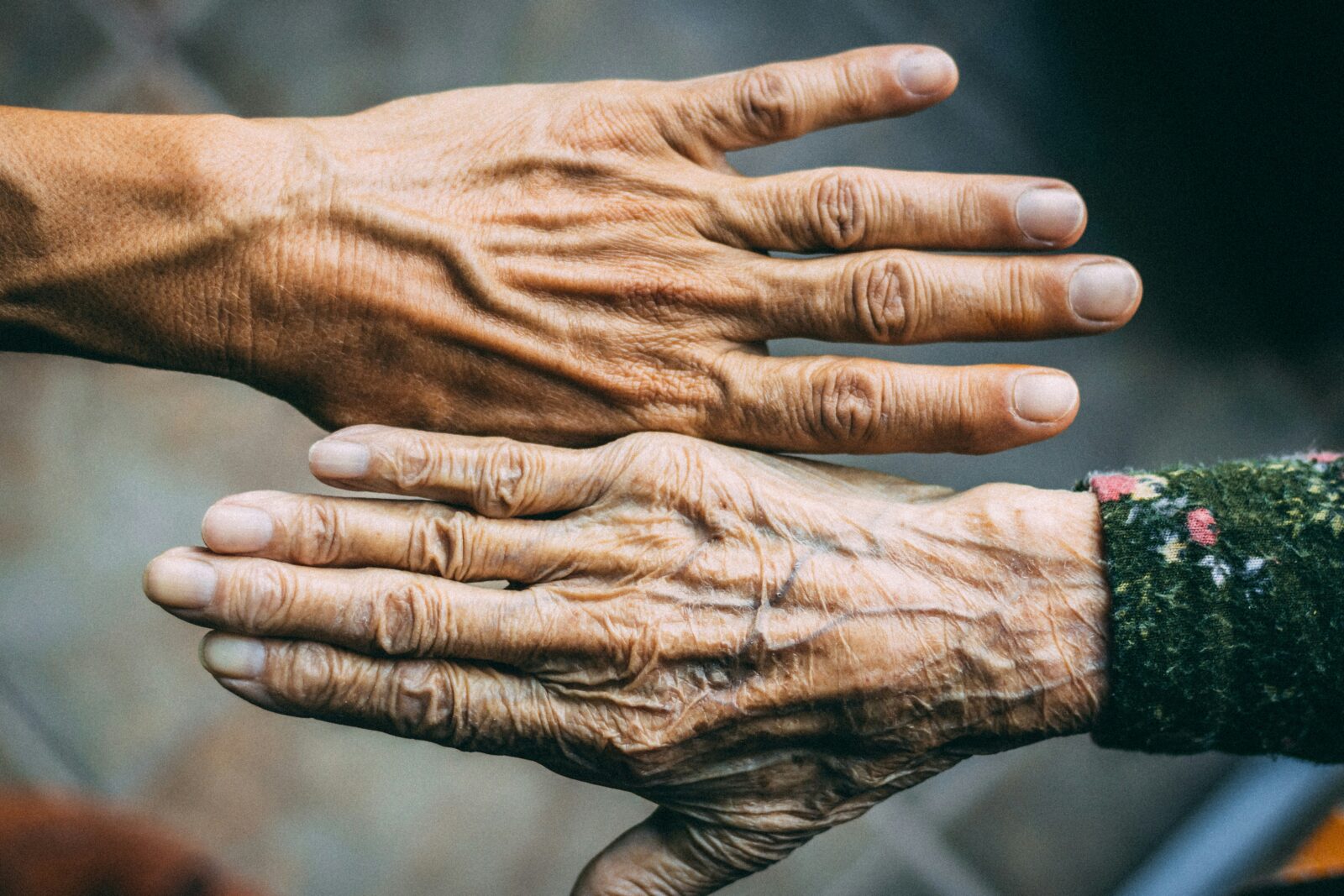
Peripheral neuropathy refers to damage or dysfunction of the peripheral nerves — the nerves outside the brain and spinal cord — often causing numbness, tingling, and pain, most commonly in the hands and feet. At Norvinia Health, Dr. Mamta Ojha evaluates and manages peripheral neuropathy, with a strong focus on identifying and treating the underlying cause.
What Causes Peripheral Neuropathy?
- Diabetes (the most common cause in the United States)
- Vitamin deficiencies, especially B12
- Chronic alcohol use
- Certain medications, including some chemotherapy drugs
- Autoimmune conditions
- Chronic kidney disease
- Thyroid disorders
- Infections, such as shingles or Lyme disease
- Nerve compression or injury
- Hereditary conditions
- Idiopathic (no identifiable cause) in some cases
Symptoms of Peripheral Neuropathy
- Numbness or reduced sensation, often starting in the feet and progressing upward
- Tingling or a “pins and needles” sensation
- Burning or shooting pain
- Increased sensitivity to touch
- Muscle weakness
- Loss of balance or coordination
- Sensitivity to temperature changes
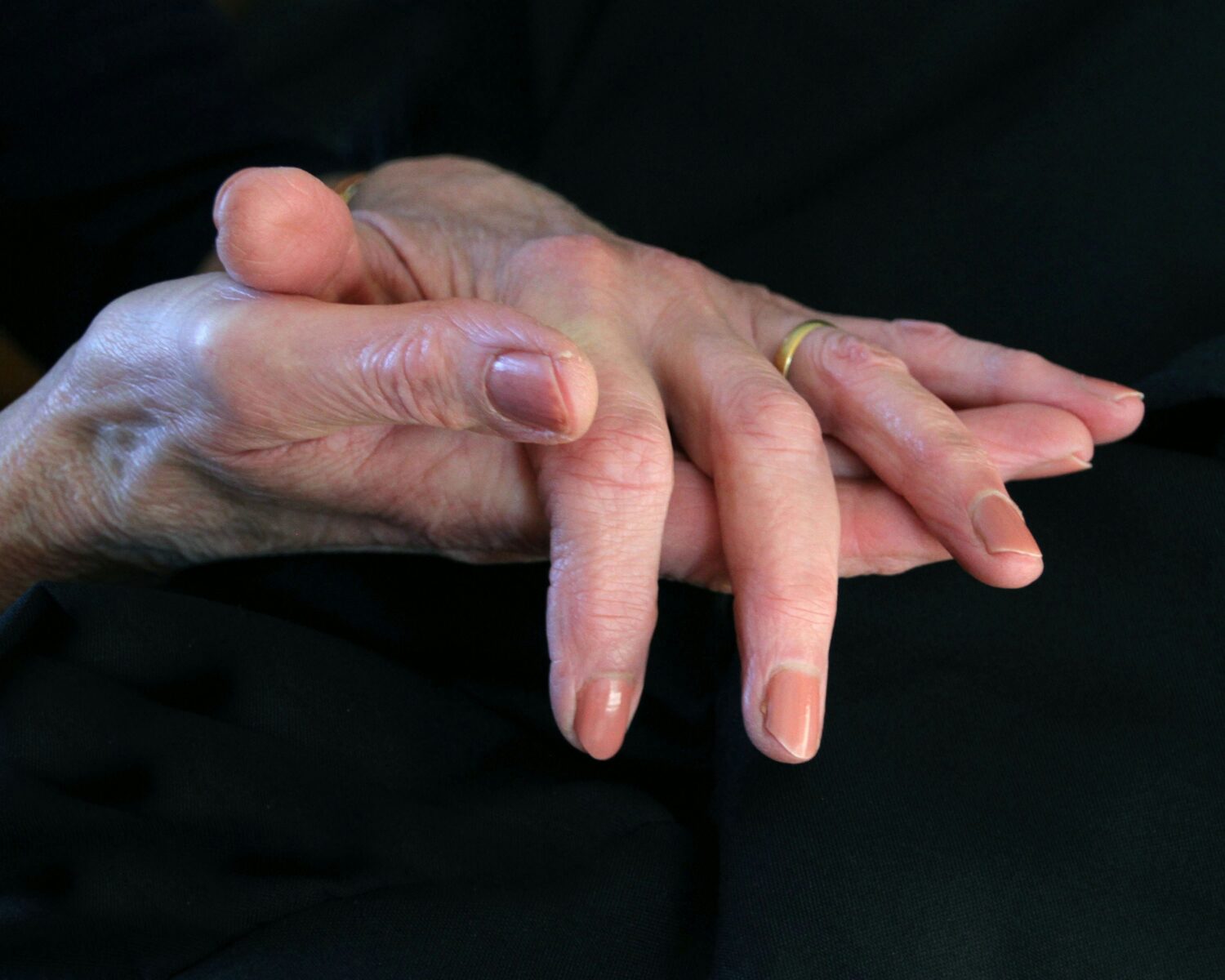
How Is Peripheral Neuropathy Diagnosed?
- Detailed medical history and neurological examination
- Blood tests to check for diabetes, vitamin deficiencies, thyroid function, and kidney function
- Nerve conduction studies and electromyography (EMG)
- Imaging, when structural nerve compression is suspected
- Additional testing based on suspected underlying cause
Treatment and Management
- Tight blood sugar control for patients with diabetes
- Vitamin B12 supplementation for deficiency-related neuropathy
- Medications to manage nerve pain, such as certain anticonvulsants or antidepressants
- Physical therapy to maintain strength and balance
- Fall-prevention strategies and proper footwear
- Treating the underlying condition whenever possible
- Referral to a neurologist for complex or unclear cases
Protecting Your Nerve Health
For patients with diabetes, consistent blood sugar control is the most effective way to prevent or slow the progression of neuropathy. Regular foot checks are also important, since reduced sensation can allow injuries to go unnoticed.
The Importance of Regular Primary Care
Because peripheral neuropathy often signals an underlying condition that needs treatment, a thorough primary care evaluation is essential. Dr. Mamta Ojha works with patients to identify the cause, manage symptoms, and prevent further nerve damage.
Neuropathy Care at Norvinia Health
If you are experiencing numbness, tingling, or pain in your hands or feet, Dr. Mamta Ojha and the Norvinia Health team can help. Contact us today to schedule an appointment.
Related Conditions We Manage
References & Guidelines
- National Institute of Neurological Disorders and Stroke: Peripheral Neuropathy Fact Sheet
- American Diabetes Association: Diabetic Neuropathy Resources
- CDC: Diabetes and Nerve Damage Information