
Comprehensive Heart Disease Prevention at Norvinia Health
Heart disease prevention primary care is at the heart of what we do at Norvinia Health. Heart disease remains the leading cause of death for both men and women in the United States. The good news is that many cases are preventable. Through healthy lifestyle choices, regular primary care visits, early detection, and evidence-based treatment, you can significantly reduce your risk of heart attack, stroke, heart failure, and other cardiovascular conditions.
At Norvinia Health, Dr. Mamta Ojha provides personalized primary care focused on cardiovascular disease prevention. We help patients identify risk factors early, manage chronic conditions, and develop individualized treatment plans to protect long-term heart health.
What Is Heart Disease?
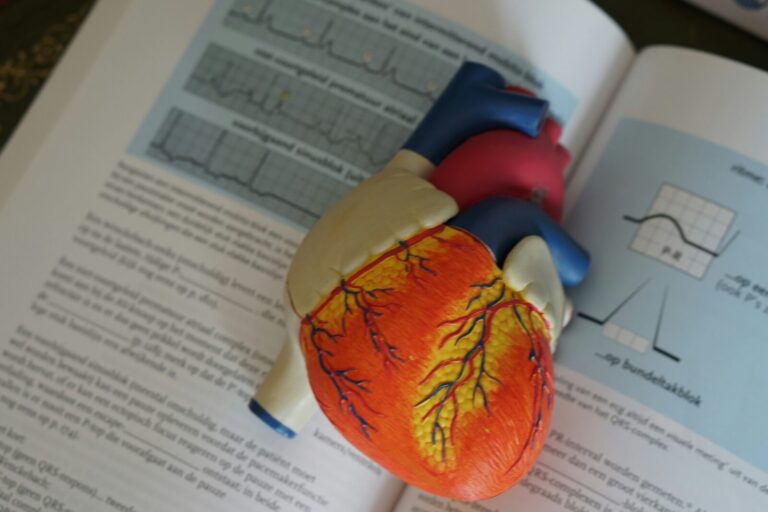
Heart disease, also called cardiovascular disease (CVD), refers to several conditions affecting the heart and blood vessels. The most common type is coronary artery disease (CAD), in which plaque builds up inside the arteries, reducing blood flow to the heart.
Other forms of heart disease include:
- Coronary artery disease
- Heart attack (myocardial infarction)
- Heart failure
- Heart rhythm disorders (arrhythmias)
- Heart valve disease
- Peripheral artery disease
- Congenital heart disease
Many cardiovascular diseases develop slowly over years, making preventive care essential.
Risk Factors for Heart Disease
Some risk factors cannot be changed, while others can be improved with lifestyle changes and medical care.
Non-Modifiable Risk Factors
- Increasing age
- Family history of early heart disease
- Male sex (although heart disease is also the leading cause of death among women)
Modifiable Risk Factors
- High blood pressure
- High cholesterol
- Diabetes
- Obesity
- Smoking or vaping
- Physical inactivity
- Unhealthy diet
- Chronic kidney disease
- Sleep apnea
- Excessive alcohol use
- Chronic stress
Managing these risk factors can dramatically reduce your lifetime risk of cardiovascular disease.
Symptoms of Heart Disease
Heart disease does not always cause symptoms in its early stages. When symptoms occur, they may include:
- Chest pain or pressure
- Shortness of breath
- Pain in the jaw, neck, shoulder, or arm
- Fatigue
- Dizziness
- Palpitations
- Swelling of the legs or feet
- Decreased exercise tolerance
Women, older adults, and people with diabetes may experience less typical symptoms, including nausea, unusual fatigue, indigestion, or back pain.
Seek emergency medical attention immediately if you experience symptoms of a heart attack.
How Primary Care Helps Prevent Heart Disease
Heart disease prevention primary care starts with your physician, who plays a central role in cardiovascular disease prevention. Regular checkups allow your physician to detect risk factors before symptoms develop and create a personalized prevention plan.
At Norvinia Health, your cardiovascular evaluation may include:
- Blood pressure measurement
- Cholesterol screening
- Diabetes screening
- Weight and BMI assessment
- Kidney function evaluation
- Smoking assessment
- Lifestyle counseling
- Family history review
- Cardiovascular risk assessment
Early detection allows treatment before permanent heart damage occurs.
Lifestyle Changes That Protect Your Heart
Lifestyle modification is a cornerstone of heart disease prevention primary care. According to the American Heart Association (AHA) and American College of Cardiology (ACC), healthy lifestyle habits remain the most effective way to prevent heart disease.
Eat a Heart-Healthy Diet
Choose foods rich in nutrients and fiber, including:
- Fruits
- Vegetables
- Whole grains
- Beans and legumes
- Fish
- Nuts
- Olive oil
- Lean proteins
Limit:
- Processed foods
- Sugary beverages
- Saturated fats
- Trans fats
- Excess sodium
- Processed meats
Mediterranean and DASH eating patterns have consistently been shown to reduce cardiovascular risk.
Stay Physically Active
Adults should aim for:
- At least 150 minutes of moderate-intensity aerobic exercise each week, or
- 75 minutes of vigorous exercise weekly, plus
- Muscle-strengthening activities on two or more days each week
Even brisk walking most days of the week improves cardiovascular health.
Maintain a Healthy Weight
Weight loss improves blood pressure, cholesterol, blood sugar, and overall cardiovascular risk. Even losing 5-10% of body weight can provide meaningful health benefits.
Quit Smoking
Smoking is one of the strongest risk factors for heart disease. Quitting smoking begins lowering cardiovascular risk almost immediately, with continued benefits over time.
Get Quality Sleep
Adults should aim for 7-9 hours of sleep per night. Untreated sleep apnea and poor sleep quality increase the risk of high blood pressure, heart rhythm disorders, heart failure, and stroke.
Managing High Blood Pressure, Cholesterol, and Diabetes
The three most important medical conditions contributing to heart disease are:
- Hypertension (high blood pressure)
- High cholesterol
- Diabetes
Keeping blood pressure below recommended targets, lowering LDL cholesterol, and maintaining healthy blood sugar levels substantially reduce the risk of heart attack and stroke.
Your physician may recommend medications such as statins, antihypertensive medications, or diabetes therapies when lifestyle changes alone are not enough.
Heart Disease Screening
As part of heart disease prevention primary care, depending on your age, family history, and risk factors, your physician may recommend:
- Cholesterol testing
- Blood pressure monitoring
- Diabetes screening
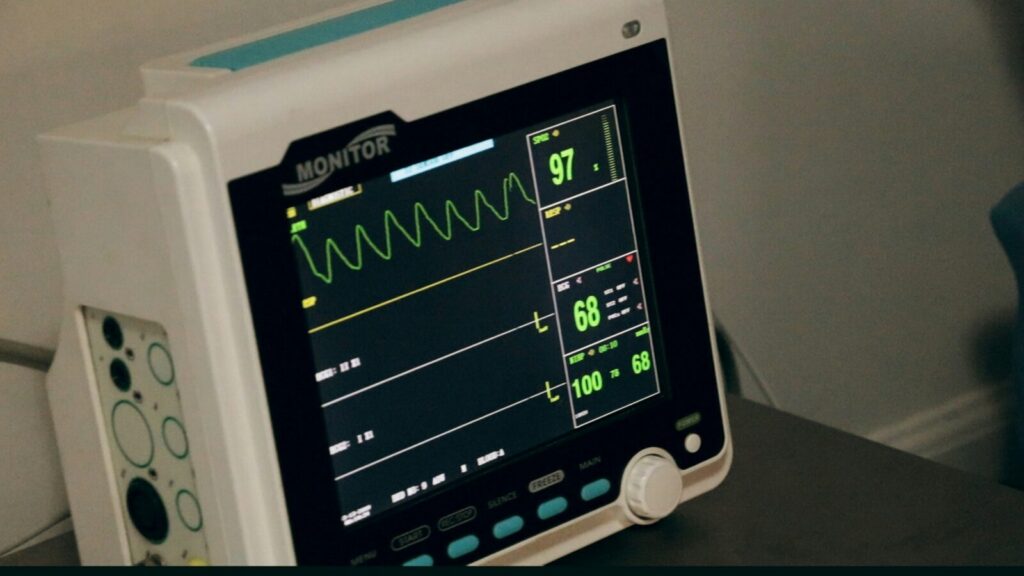
- Electrocardiogram (ECG) when indicated
- Coronary artery calcium (CAC) scoring for selected patients
- Referral to a cardiologist if necessary
Routine cardiac stress testing is not recommended for healthy individuals without symptoms but may be appropriate for selected patients at higher risk.
When Should You See Your Primary Care Physician?
Schedule an appointment if you:
- Have high blood pressure or diabetes
- Have high cholesterol
- Smoke or recently quit smoking
- Have a family history of heart disease
- Are overweight or obese
- Experience chest discomfort or shortness of breath
- Have not had a preventive health examination in over one year
Regular preventive visits allow your physician to identify problems early and reduce your long-term cardiovascular risk.
Heart Disease Prevention Primary Care at Norvinia Health
At Norvinia Health, we believe the best treatment for heart disease is prevention. Dr. Mamta Ojha provides personalized, evidence-based care focused on reducing cardiovascular risk through preventive screenings, lifestyle counseling, chronic disease management, and individualized treatment plans.
Whether you want to lower your blood pressure, improve your cholesterol, manage diabetes, lose weight, or simply protect your heart, we are committed to helping you achieve lifelong cardiovascular health through comprehensive heart disease prevention primary care.
Schedule your preventive care visit today and take the first step toward a healthier heart—schedule an appointment with Norvinia Health.
References
American Heart Association (AHA) – Heart Disease and Stroke Statistics
https://www.heart.org
American College of Cardiology (ACC) – Clinical Guidelines
https://www.acc.org
Centers for Disease Control and Prevention (CDC) – Heart Disease Facts
https://www.cdc.gov/heart-disease/data-research/facts-stats/
National Heart, Lung, and Blood Institute (NHLBI) – Heart Disease
https://www.nhlbi.nih.gov/health/coronary-heart-disease