
Looking for trusted sleep apnea treatment Fairfax families rely on? Sleep is essential for good health, yet millions of Americans suffer from obstructive sleep apnea (OSA) without realizing it. At Norvinia Health in Fairfax, VA, Dr. Mamta Ojha provides comprehensive evaluation and management to help you breathe easier and sleep better.
Sleep apnea is a common sleep disorder in which breathing repeatedly stops and starts during sleep due to blockage of the upper airway. These interruptions reduce oxygen levels, disrupt restful sleep, and increase the risk of serious health problems.
Dr. Mamta Ojha provides comprehensive primary care focused on identifying patients at risk for sleep apnea, coordinating appropriate testing, and managing associated medical conditions. Early diagnosis and treatment can significantly improve your quality of life and reduce the risk of long-term complications.
What Is Obstructive Sleep Apnea?
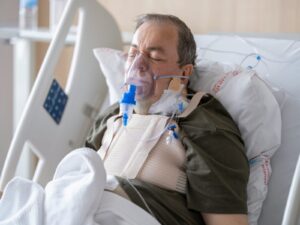
Obstructive sleep apnea occurs when the muscles in the back of the throat relax excessively during sleep, causing the airway to narrow or collapse. Breathing may stop for several seconds before the brain briefly awakens you to reopen the airway. These episodes can occur dozens or even hundreds of times each night, often without you being aware of them.
Because sleep is repeatedly interrupted, patients frequently wake feeling unrefreshed despite spending enough time in bed.
Common Symptoms of Sleep Apnea
Many people with sleep apnea are unaware they have the condition. Common symptoms include:
- Loud, chronic snoring
- Witnessed pauses in breathing during sleep
- Gasping or choking during sleep
- Excessive daytime sleepiness
- Morning headaches
- Difficulty concentrating or memory problems
- Irritability or mood changes
- Dry mouth upon awakening
- Poor quality sleep
If your bed partner notices that you stop breathing while sleeping, you should discuss these symptoms with your physician right away.
Who Is at Risk?
Common risk factors for sleep apnea include:
- Excess weight or obesity
- High blood pressure
- Type 2 diabetes
- Smoking
- Alcohol use before bedtime
- Nasal obstruction
- Enlarged tonsils or other airway abnormalities
Not everyone with sleep apnea is overweight. Women, older adults, and individuals with normal body weight can also develop the condition.
Why Sleep Apnea Should Not Be Ignored
Untreated sleep apnea affects much more than your sleep. Repeated drops in oxygen levels and poor-quality sleep increase stress on the heart and blood vessels. Untreated sleep apnea has been associated with an increased risk of:
- High blood pressure
- Heart disease
- Heart failure
- Stroke
- Irregular heart rhythms such as atrial fibrillation
- Type 2 diabetes
- Depression
- Memory problems
- Motor vehicle and workplace accidents caused by daytime sleepiness
Fortunately, effective treatment can improve symptoms and reduce many of these health risks.
How Is Sleep Apnea Diagnosed?
Diagnosis begins with a comprehensive medical evaluation. Your primary care physician will review your symptoms, medical history, medications, and risk factors before determining whether additional testing is needed.
Current guidelines recommend that the diagnosis of obstructive sleep apnea be made using either an overnight sleep study (polysomnography) or, for selected uncomplicated adults, a home sleep apnea test. Home sleep testing is convenient for many patients, while laboratory sleep studies remain the gold standard for complex cases. Clinical questionnaires alone should not be used to diagnose sleep apnea.
Treatment Options
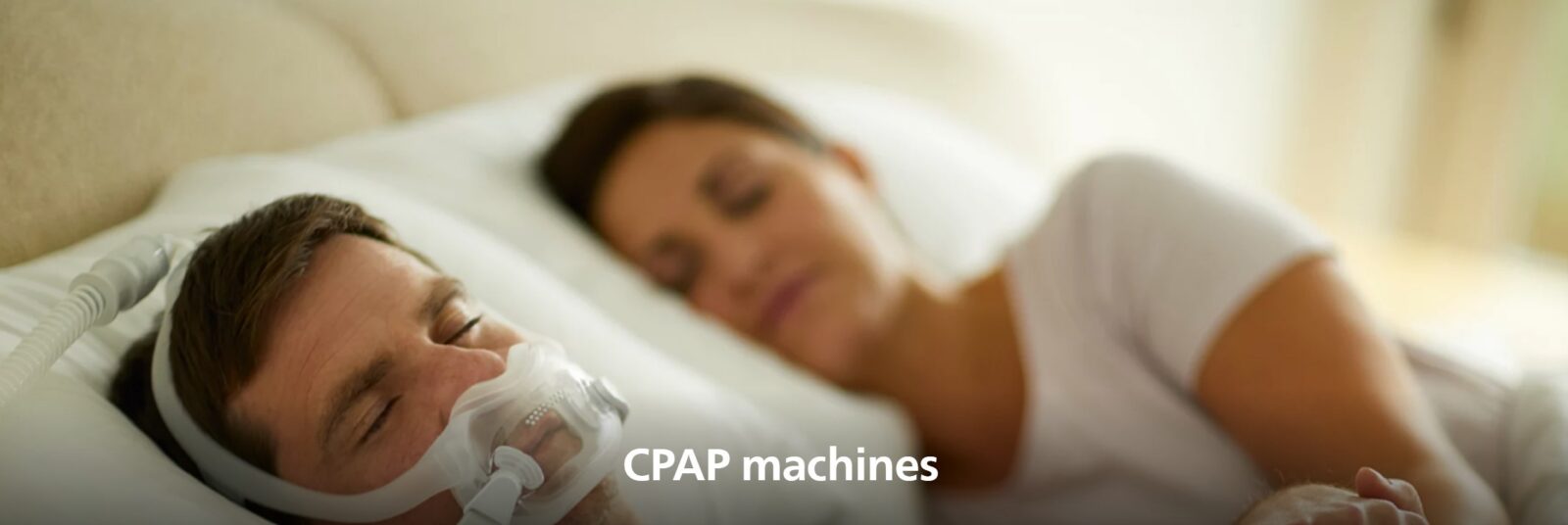
Treatment depends on the severity of sleep apnea and your individual health needs.
The most effective treatment for moderate to severe obstructive sleep apnea is continuous positive airway pressure (CPAP) therapy. CPAP delivers gentle air pressure through a mask to keep the airway open during sleep and remains the first-line treatment recommended by the American Academy of Sleep Medicine.
Other treatment options may include:
- Weight loss for patients who are overweight or obese
- Regular physical activity
- Sleeping on your side instead of your back
- Limiting alcohol, especially before bedtime
- Treating nasal congestion
- Oral appliance therapy prescribed by a qualified dentist for selected patients
- Referral for surgical evaluation when appropriate
Your physician will recommend the treatment plan that best fits your condition and lifestyle.
The Role of Your Primary Care Physician
Ongoing primary care visits help patients:
- Identify symptoms and risk factors
- Evaluate excessive daytime sleepiness and snoring
- Coordinate sleep testing when indicated
- Manage high blood pressure, diabetes, obesity, and heart disease
- Monitor treatment progress and improve long-term health
Because sleep apnea is closely linked to many chronic illnesses, ongoing primary care is essential for achieving the best outcomes.
Sleep Apnea Care at Norvinia Health
At Norvinia Health, we believe that quality sleep is a vital part of overall health. Dr. Mamta Ojha provides personalized, evidence-based care to help patients recognize sleep apnea early, receive appropriate evaluation, and manage associated medical conditions.
If you experience loud snoring, excessive daytime fatigue, or pauses in breathing during sleep, don’t ignore these symptoms. Early diagnosis and treatment can improve your energy, protect your heart, and enhance your quality of life.
Schedule an appointment with Norvinia Health in Fairfax, VA to discuss your symptoms and learn whether a sleep apnea evaluation is right for you.
Related Conditions We Manage
Hypertension |
Diabetes |
Obesity & Weight Management |
Stroke Prevention |
Heart Disease Prevention
References & Guidelines
American Academy of Sleep Medicine |
National Heart, Lung, and Blood Institute