
Direct Primary Care: A Smarter Approach to Employee Healthcare
How Employers Can Improve Access to Primary Care While Helping Manage Healthcare Costs
Healthcare is one of the most important—and often most challenging—benefits an employer provides. Businesses want to offer coverage that attracts and retains employees, while employees want affordable access to quality care when they need it. Rising premiums, high deductibles, and unpredictable medical expenses continue to strain both sides of that equation. Direct Primary Care (DPC) has emerged as one response to this pressure: a membership-based model that restores direct access to a physician without routing every visit through insurance.
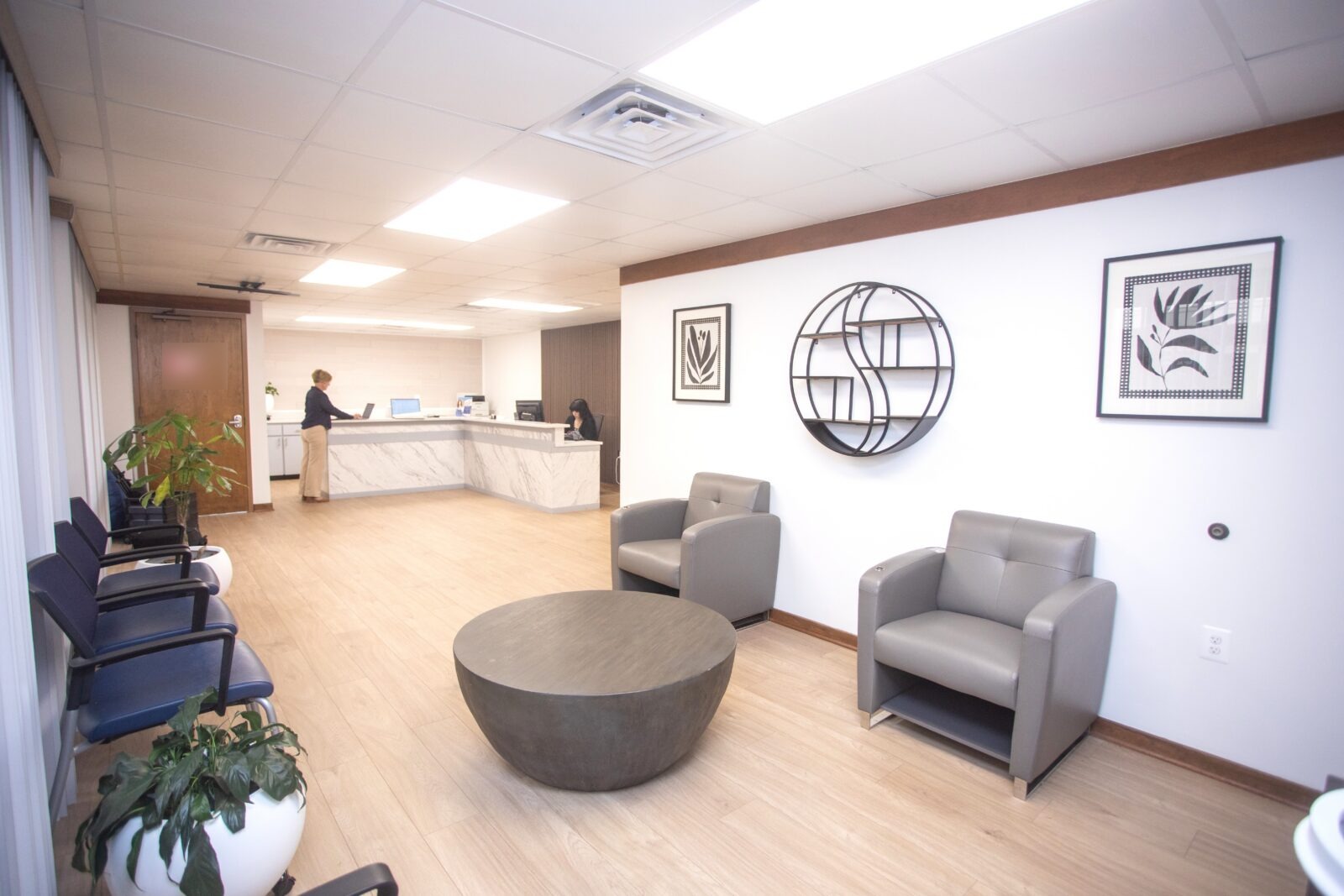
Norvinia Health provides direct primary care for employers and individuals throughout Northern Virginia. Conveniently located in Fairfax, VA, our office is easily accessible to patients and employers in Vienna, Oakton, Merrifield, Annandale, Burke, Centreville, Fair Oaks, Chantilly, Clifton, Falls Church, Reston, Springfield, Herndon, McLean, Tysons, Great Falls, Lorton, Arlington, and Manassas — all within about 15 miles of our office — as well as patients from throughout the greater Washington, D.C. metro area and beyond.
What Is Direct Primary Care?
DPC is built on a direct financial relationship between patient and physician. Instead of billing insurance for each visit, the patient—or their employer, on their behalf—pays the practice a predictable monthly, quarterly, or annual membership fee. Depending on the practice, this typically covers acute illness visits, chronic disease management, preventive care, medication management, telehealth, care coordination, and follow-up after a hospitalization or ER visit.
Because DPC practices aren’t structured around high-volume, insurance-billed encounters, physicians can carry smaller patient panels and offer longer appointments with more direct communication—by phone, secure message, or same-day visit—than a typical insurance-based practice allows. As the American Academy of Family Physicians (AAFP) explains, direct primary care removes third-party billing from the primary care relationship.
Who Is Norvinia Health’s DPC Program For?
Because Direct Primary Care is membership-based rather than tied to a specific insurance plan or employer, it works well for two distinct groups of patients.
Employers
Businesses can sponsor direct primary care for employers as an added benefit — alongside their existing health plan or on its own — giving staff a real relationship with a physician instead of a rotating cast of providers.
Individuals
Anyone can join Norvinia Health’s DPC membership directly, without going through an employer. This includes people who are uninsured, self-employed, freelance, between jobs, early-retired, or simply enrolled in a high-deductible health plan and looking for affordable, transparent primary care.
How Employers Can Structure the Benefit
DPC doesn’t require an employer to replace its existing health plan. The more common approach pairs a DPC membership with a high-deductible health plan (HDHP): the HDHP continues to cover major medical expenses, hospitalization, specialty care, and emergencies, while DPC provides employees with an accessible primary care physician for everything else. The employer may pay the membership fee directly on employees’ behalf, creating a two-part strategy—DPC for accessible primary care, insurance for protection against major medical events.
This pairing also has a practical upside: high-deductible plans generally carry lower premiums, but employees on them often hesitate to seek care because of the deductible they’d have to meet. A DPC membership removes that hesitation for primary care specifically, since routine visits aren’t billed individually. For employers, the membership fee itself is also easy to plan for—a fixed, predictable per-employee cost rather than a variable, claims-driven one. As with any benefits decision, the specific financial, legal, and tax implications of an employer-sponsored DPC arrangement should be reviewed with a benefits advisor or broker.
What This Means for Employees
The core value of DPC is continuity: employees build an ongoing relationship with one physician rather than navigating a different provider for every concern. At Norvinia Health, that means access to a board-certified Internal Medicine physician experienced in managing conditions such as hypertension, diabetes, high cholesterol, thyroid disorders, heart disease, asthma and COPD, obesity, and kidney disease, alongside preventive and men’s and women’s health needs. For employees managing more than one condition, having a single physician who knows their full history is particularly valuable.
That access also changes where employees turn when something comes up. A sore throat, urinary symptoms, a medication issue, or a worsening chronic condition doesn’t always need an emergency department—but it does need timely evaluation, which a same- or next-day appointment with a known physician can provide. This isn’t a substitute for emergency care when it’s genuinely needed, but it gives employees an appropriate option for the much larger share of concerns that don’t rise to that level. The same access supports chronic disease management over time—regular follow-up, medication review, and monitoring—rather than waiting for a condition to become urgent, and it makes preventive care (screenings, immunizations, cardiovascular risk assessment, lifestyle counseling) easier to keep up with instead of postponing. Telehealth and direct messaging round this out, letting employees resolve follow-ups or minor issues without taking time away from work.
The Financial Case
The rationale for employers isn’t just employee experience—it shows up in utilization data. A 2019 study of 27 employer groups covering more than 89,000 commercially insured members found that employees actively engaged with primary care used the emergency room 38% less, had 64% fewer hospital admissions, and accumulated 67% fewer hospital bed days than employees who weren’t engaged with a primary care provider. Overall, engaged members cost employers $2,209 less per year in total health plan spending and paid 33% less out of pocket themselves.
Absenteeism tells a similar story. CDC research on chronic disease and workforce absenteeism found that conditions like obesity, hypertension, physical inactivity, and diabetes each cost employers billions of dollars annually in excess absenteeism, with affected employees missing one to two additional days of work per year per condition—for a large employer, physical inactivity alone was linked to nearly $300 in excess absenteeism cost per employee annually. Beyond missed days, employees managing an unaddressed health issue while still at work (presenteeism) are less productive even when present. Timely primary care access helps catch and treat issues before they reach that point.
For employees, the financial benefit is just as direct. Because DPC visits don’t generate a bill, a copay, or a claim, the “should I go to the doctor or wait it out” calculation that often delays care—and lets small problems become expensive ones—largely disappears. Paired with a lower-premium HDHP, many employees see their total healthcare costs, premiums plus out-of-pocket spending, go down rather than up. Employers should still evaluate these outcomes against their own workforce data rather than assume a specific savings figure; results vary by plan design, industry, and population.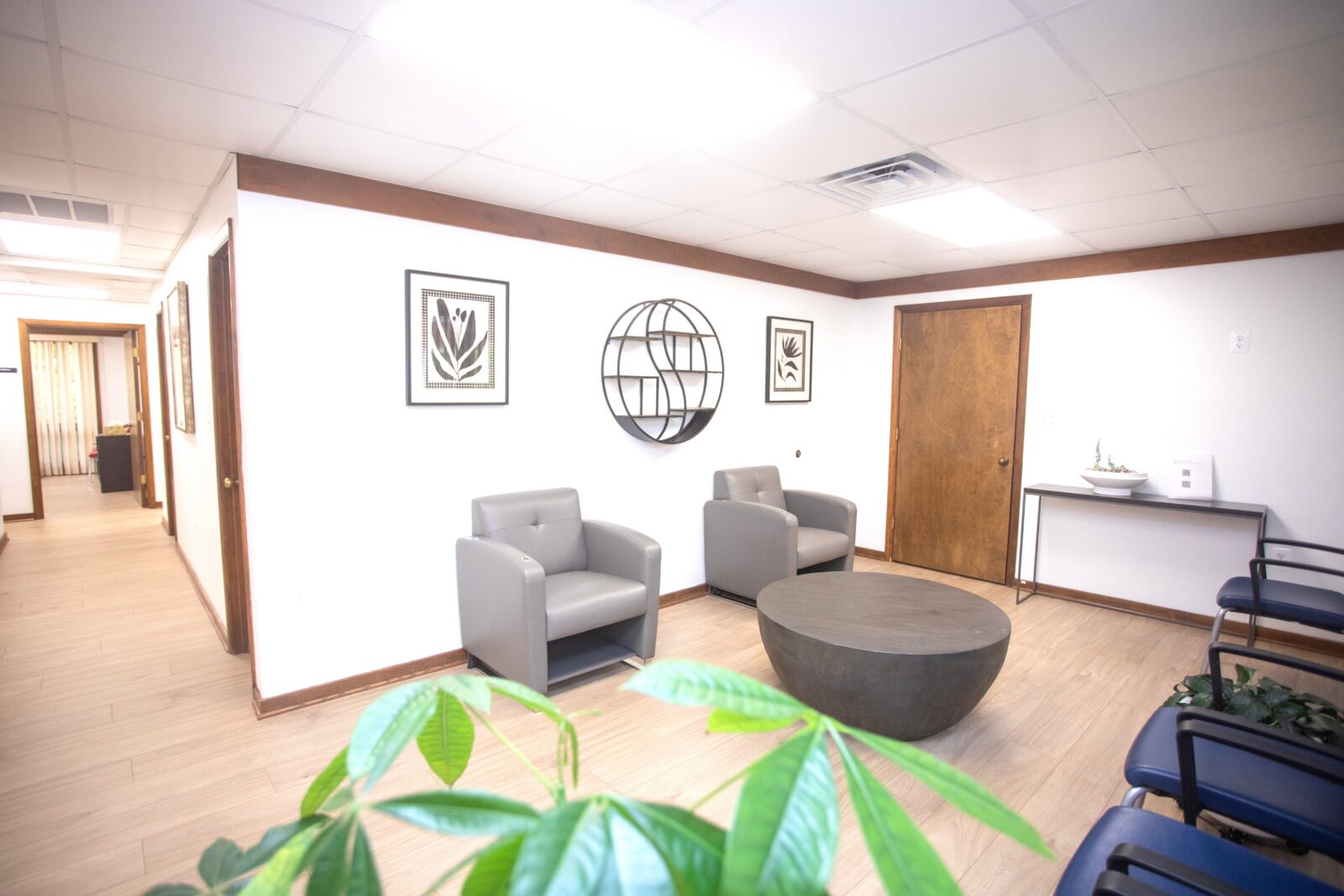
Direct Primary Care for Individuals: Uninsured or on a High-Deductible Plan
Not everyone has access to an employer-sponsored DPC benefit — and you don’t need one to join. Norvinia Health’s DPC membership is open directly to individuals, including:
- Individuals who are currently uninsured and want a consistent relationship with a physician without paying full fee-for-service rates for every visit
- Patients on a high-deductible health plan (HDHP) who want affordable, predictable primary care without paying out-of-pocket toward their deductible for every routine visit
- Self-employed professionals, freelancers, and gig workers without employer benefits
- Early retirees who are not yet eligible for Medicare
- Young, generally healthy adults who want responsive primary care at a predictable monthly cost
- Anyone between jobs or between insurance plans who still needs access to a physician
For these patients, a DPC membership replaces the uncertainty of per-visit medical bills with one transparent, predictable membership fee that covers primary care visits, telehealth, and ongoing management of your health. Many individual members choose to pair their DPC membership with a lower-premium, high-deductible or catastrophic health plan to cover major medical events, while relying on Norvinia Health for everyday and preventive care.
Norvinia Health: Direct Primary Care in Fairfax
Norvinia Health PC is an independent primary care practice in Old Town Fairfax, Virginia, founded by Mamta Ojha, MD, a board-certified Internal Medicine physician. An employer-sponsored membership through Norvinia Health gives employees access to acute care, chronic disease management, preventive care, medication management, telehealth, care coordination, post-hospital follow-up, and direct communication with their physician. Norvinia Health can work with Fairfax-area employers to structure membership options around their workforce and benefit goals.
Our philosophy is straightforward: better access, more time, better relationships, better primary care. Instead of treating primary care as a series of rushed appointments, Norvinia Health is built around an ongoing relationship between patient and physician, with an emphasis on:
- Personalized Internal Medicine care
- Convenient appointments and telehealth
- Preventive healthcare
- Chronic disease management
- Direct physician communication
- Longer appointment times
- Transparent membership structure
- Continuity of care
Who Should Consider It
DPC tends to appeal most to employers who want to strengthen primary care access without overhauling their existing health plan—small and mid-sized businesses, professional offices, medical and dental practices, nonprofits, and any organization already on an HDHP looking for a stronger recruitment and retention benefit. A local DPC practice is a natural fit for employers whose workforce lives or works nearby, since proximity makes same-day access realistic.
How Direct Primary Care Works
For Employers
Here’s how direct primary care for employers works at Norvinia Health:
- Talk with Norvinia Health. We start with a conversation about your organization, employees, current benefits, and goals.
- Develop an employer program. We discuss eligibility, membership structure, and how DPC fits alongside your existing benefits.
- Educate your employees. We help introduce your team to Direct Primary Care and how it works.
- Employees establish care. Eligible employees enroll and establish their relationship with the practice.
- Employees receive ongoing care. Employees access personalized primary care while continuing to use insurance for services outside the DPC scope.
For Individuals
- Schedule an enrollment conversation. Tell us about your situation — uninsured, high-deductible, self-employed, or otherwise.
- Choose your membership. We’ll walk you through transparent, upfront pricing so you know exactly what to expect.
- Start receiving care. Begin seeing Dr. Ojha with longer visits, direct communication, and predictable costs.
The Bottom Line
DPC is not a replacement for comprehensive health insurance—it’s a primary care layer within a broader healthcare strategy. Paired with an HDHP, it can give employees direct physician access, longer visits, and ongoing chronic disease and preventive care, while giving employers a predictable primary care expense and a benefit that’s easier to use. At its core, DPC puts the patient-physician relationship back at the center of care: accessible, personalized, and built for the long term. Fairfax-area employers interested in exploring an employer-sponsored DPC program are welcome to reach out to Norvinia Health to discuss structure, pricing, and fit.
Direct Primary Care is not health insurance and does not replace health insurance. The scope of services and membership terms are governed by the applicable Direct Primary Care agreement. Employers should consult their benefits advisor regarding how a DPC program fits within their employee benefit structure, and individuals should evaluate their own coverage needs, including major medical or catastrophic coverage for services outside the scope of a DPC membership.