
COPD treatment Fairfax care from Dr. Mamta Ojha helps you manage symptoms, slow disease progression, and breathe easier every day.
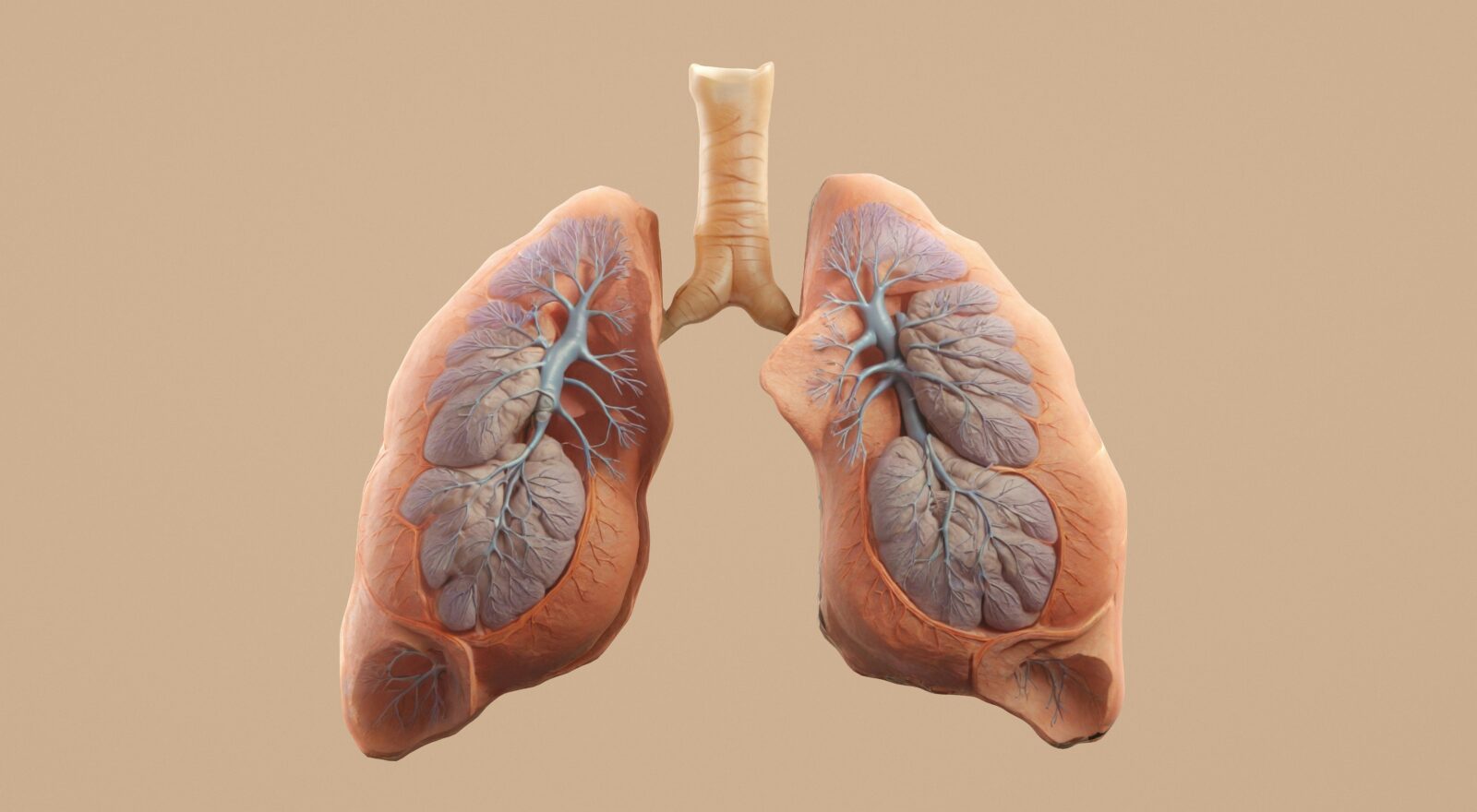
Chronic obstructive pulmonary disease (COPD) is a progressive lung condition that makes breathing increasingly difficult over time. At Norvinia Health, Dr. Mamta Ojha helps patients with COPD manage symptoms, slow disease progression, and maintain the best possible quality of life.
What Is COPD?
COPD is an umbrella term for progressive lung diseases, primarily emphysema and chronic bronchitis, that cause airflow obstruction and breathing difficulty. It develops gradually, often over many years, and is most commonly caused by long-term exposure to lung irritants, especially cigarette smoke.
Who Is at Risk?
- Current or former smokers (the leading risk factor)
- Long-term exposure to secondhand smoke
- Occupational exposure to dust, chemicals, or fumes
- Long-term exposure to air pollution
- Alpha-1 antitrypsin deficiency (a genetic condition)
- History of frequent childhood respiratory infections
Symptoms of COPD
- Chronic cough, often with mucus production
- Shortness of breath, especially with activity
- Wheezing
- Chest tightness
- Frequent respiratory infections
- Fatigue
- Unintended weight loss in advanced stages
Symptoms often develop gradually and may not be noticed until the disease is fairly advanced, which is why early screening in at-risk individuals is important.
How Is COPD Diagnosed?
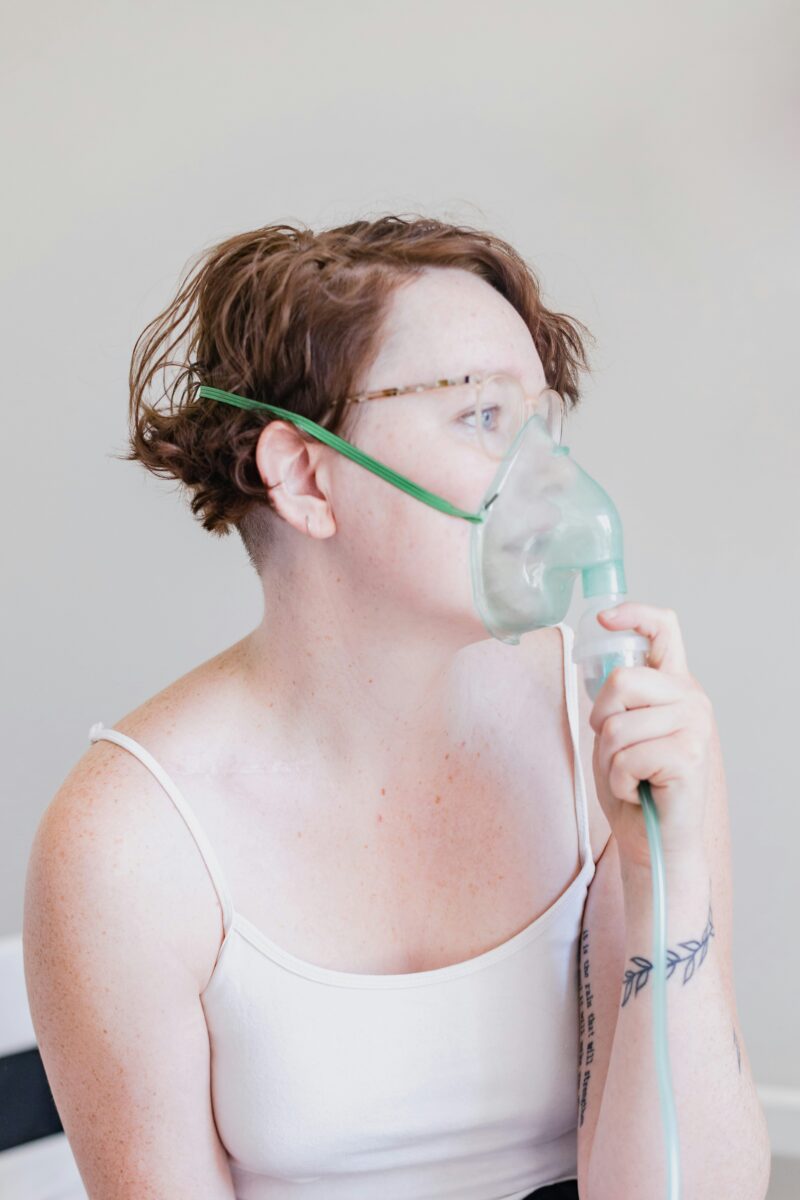
- Spirometry — a breathing test that measures airflow and is the primary tool for diagnosing COPD
- Chest X-ray or CT scan
- Pulse oximetry to check blood oxygen levels
- Arterial blood gas testing in some cases
- Alpha-1 antitrypsin testing when appropriate
Treatment and Management
- Smoking cessation — the single most important step in slowing disease progression
- Inhaled bronchodilators to open the airways
- Inhaled corticosteroids for certain patients
- Pulmonary rehabilitation programs
- Oxygen therapy for patients with low blood oxygen levels
- Vaccinations, including flu, pneumococcal, and COVID-19, to reduce infection risk
- Managing flare-ups (exacerbations) promptly
- Regular monitoring of lung function
Living Well With COPD
While COPD cannot be cured, its progression can often be slowed and symptoms well controlled with the right treatment plan. Staying active within your ability, eating well, avoiding lung irritants, and staying current on vaccinations all help reduce complications and hospitalizations.
The Importance of Regular Primary Care
Ongoing primary care is essential for monitoring COPD, adjusting treatment as the disease changes, and catching flare-ups or complications early. Dr. Mamta Ojha works closely with patients and pulmonary specialists to coordinate comprehensive COPD care.
COPD Care at Norvinia Health
If you have symptoms of COPD or risk factors such as a smoking history, Dr. Mamta Ojha and the Norvinia Health team can help. Contact us today to schedule an appointment.
Related Conditions We Manage
References & Guidelines
- Global Initiative for Chronic Obstructive Lung Disease (GOLD): COPD Diagnosis and Management Guidelines
- CDC: COPD Information
- American Lung Association: COPD Resources