
High blood pressure, or hypertension, affects nearly half of American adults — and effective management starts with the right hypertension treatment primary care Fairfax VA patients can trust.
High blood pressure, also known as hypertension, is one of the most common chronic health conditions affecting adults in the United States. Nearly half of American adults have elevated blood pressure, and many do not know they have it because hypertension often causes no symptoms until serious complications occur. For this reason, it is often called the “silent killer.”
At Norvinia Health, Dr. Mamta Ojha believes that preventing heart disease starts with excellent primary care. Through regular checkups, personalized treatment plans, lifestyle counseling, and evidence-based medical care, we help patients control their blood pressure and reduce their risk of heart attack, stroke, kidney disease, and heart failure.
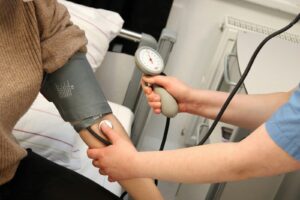
What Is Blood Pressure?
Blood pressure measures the force of blood pushing against the walls of your arteries. It is recorded as two numbers:
- Systolic blood pressure (top number): The pressure when your heart contracts.
- Diastolic blood pressure (bottom number): The pressure when your heart relaxes between beats.
According to current American College of Cardiology (ACC) and American Heart Association (AHA) guidelines, blood pressure categories are:
- Normal: Less than 120/80 mmHg
- Elevated: 120–129 systolic and less than 80 diastolic
- Stage 1 Hypertension: 130–139 systolic or 80–89 diastolic
- Stage 2 Hypertension: 140/90 mmHg or higher
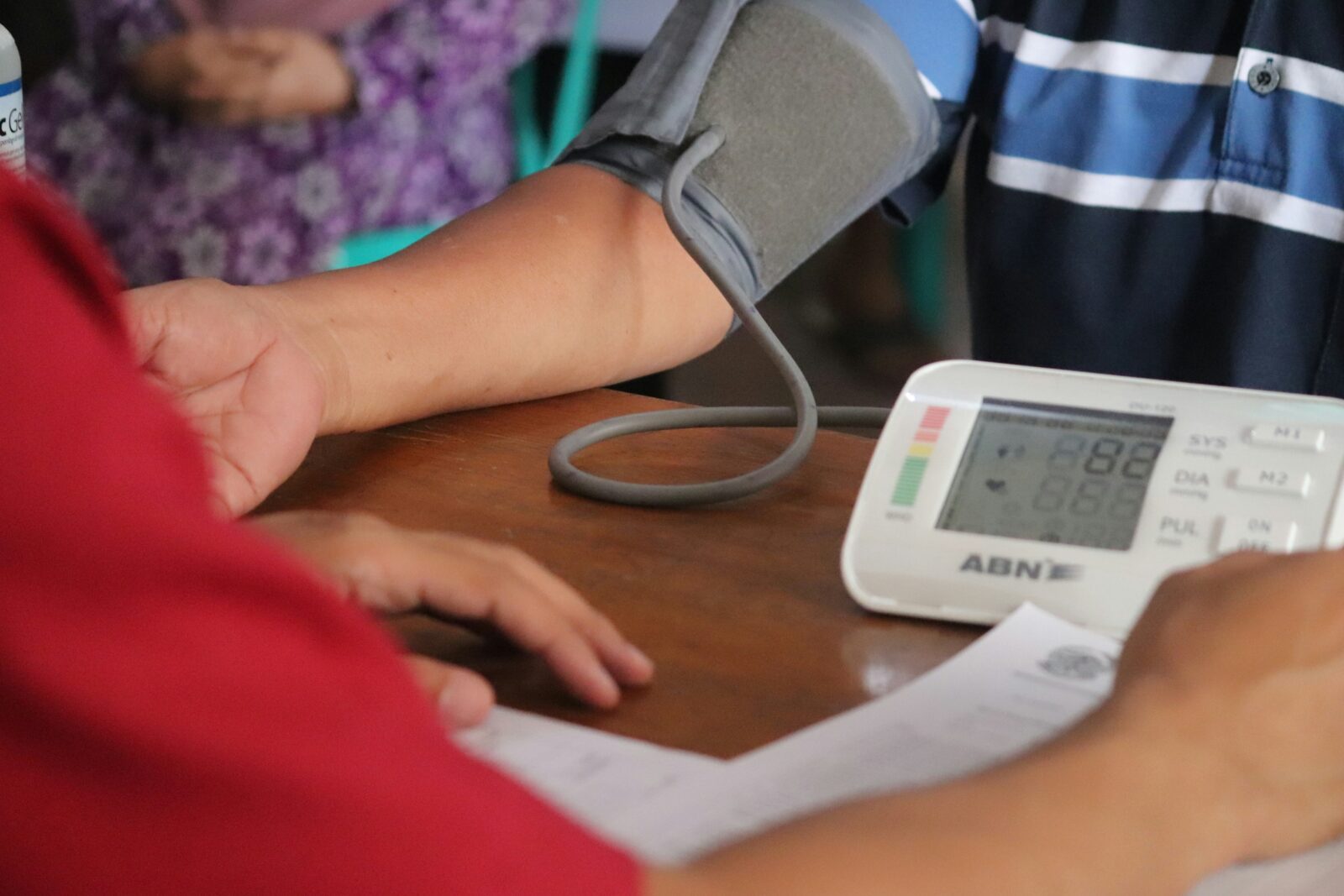
A diagnosis of hypertension should not be based on a single elevated reading. Your primary care physician may recommend repeated office measurements, home blood pressure monitoring, or 24-hour ambulatory blood pressure monitoring to confirm the diagnosis.
Why High Blood Pressure Matters
Left untreated, hypertension quietly damages blood vessels and organs throughout the body, increasing the risk of:
- Heart attack and heart disease
- Stroke
- Chronic kidney disease
- Vision loss
- Peripheral artery disease
- Aortic aneurysm
- Cognitive decline and vascular dementia
The good news is that controlling blood pressure significantly reduces these risks and improves long-term health.
Who Is at Risk?
Anyone can develop hypertension, but certain factors increase the likelihood:
- Family history of high blood pressure
- Age over 40 years
- Overweight or obesity
- Diabetes
- High cholesterol
- Chronic kidney disease
- Smoking or vaping
- Excessive alcohol consumption
- High-sodium diet
- Physical inactivity
- Chronic stress
- Obstructive sleep apnea
Certain medications, including NSAIDs (such as ibuprofen), steroids, decongestants, stimulants, and some hormonal therapies, may also raise blood pressure.
Symptoms of Hypertension
Most people with hypertension feel perfectly well, which is exactly why routine blood pressure screening during hypertension treatment primary care Fairfax VA visits is so important.
Severely elevated blood pressure may cause:
- Severe headache
- Blurred vision
- Chest pain
- Shortness of breath
- Dizziness
- Confusion
These symptoms require immediate medical evaluation.
How Is Hypertension Diagnosed?
At Norvinia Health, our hypertension treatment primary care Fairfax VA process involves more than simply measuring blood pressure in the office. Your evaluation may include:
- Multiple blood pressure measurements
- Home blood pressure monitoring
- Review of your medical history
- Physical examination
- Blood tests
- Kidney function testing
- Urine analysis
- Cholesterol screening
- Diabetes screening
- Electrocardiogram (ECG)
Additional testing may be recommended if a secondary cause of hypertension is suspected.
Lifestyle Changes: The Foundation of Treatment
For many patients, healthy lifestyle habits are the first step in lowering blood pressure and improving overall cardiovascular health.
Follow the DASH Diet
The Dietary Approaches to Stop Hypertension (DASH) eating plan is one of the most effective non-medication treatments for high blood pressure.
Choose more:
- Fruits and vegetables
- Whole grains
- Beans and legumes
- Fish
- Lean poultry
- Low-fat dairy products
- Nuts and seeds
Limit:
- Processed foods
- Fast food
- Sugary beverages
- Red meat
- Saturated fats
- Foods high in sodium
Reduce Sodium Intake
Most Americans consume far more sodium than recommended. Current guidelines advise limiting sodium intake to less than 2,300 mg per day, with an ideal target of 1,500 mg daily for many adults with hypertension.
Reading nutrition labels and preparing meals at home can help reduce sodium consumption.
Exercise Regularly
Regular physical activity strengthens the heart and lowers blood pressure.
Aim for:
- At least 150 minutes of moderate-intensity aerobic exercise each week
- Muscle-strengthening exercises at least two days per week
Even brisk walking for 30 minutes most days of the week can make a meaningful difference.
Maintain a Healthy Weight
Losing excess weight is one of the most effective ways to lower blood pressure. Even a modest weight loss of 5–10% of body weight can significantly improve cardiovascular health.
Avoid Tobacco and Limit Alcohol
Smoking damages blood vessels and greatly increases the risk of heart attack and stroke. Quitting smoking is one of the best investments in your long-term health.
Alcohol should also be consumed in moderation. Current recommendations are no more than one drink daily for women and two drinks daily for men.
Prioritize Sleep and Stress Management
Poor sleep, chronic stress, and untreated obstructive sleep apnea can contribute to high blood pressure. Maintaining good sleep habits, practicing relaxation techniques, and addressing sleep disorders are important parts of hypertension management.
When Is Medication Needed?
Lifestyle changes alone may be enough for some individuals with mildly elevated blood pressure. However, medication is often recommended for patients with Stage 2 hypertension or those with Stage 1 hypertension who have diabetes, kidney disease, cardiovascular disease, or an elevated risk of heart attack or stroke.
Your physician will choose the medication that best fits your overall health and medical history. Many patients require two medications to achieve optimal blood pressure control.
Blood Pressure Goals
For most adults receiving treatment, current guidelines recommend a target blood pressure of less than 130/80 mmHg. However, treatment goals should always be individualized based on age, other medical conditions, overall health, and patient preferences.
Hypertension Treatment Primary Care Fairfax VA: The Norvinia Health Approach
Effective hypertension treatment primary care Fairfax VA is not just about taking medication—it requires an ongoing partnership with your primary care physician. Regular follow-up appointments allow your provider to monitor blood pressure, adjust medications when needed, screen for complications, and help you maintain healthy lifestyle habits.
At Norvinia Health, we believe in personalized, relationship-based primary care. Dr. Mamta Ojha takes the time to understand each patient’s health goals, identify risk factors early, and develop treatment plans tailored to individual needs.
Whether you have recently been diagnosed with hypertension or have struggled to control your blood pressure for years, our goal is to help you live a healthier, longer life through preventive care, education, and evidence-based treatment.
If you are searching for hypertension treatment primary care Fairfax VA can rely on, or simply due for a blood pressure check, schedule an appointment with Norvinia Health today. Early diagnosis and consistent primary care can help prevent serious complications and keep your heart, brain, kidneys, and blood vessels healthy for years to come.
1. American College of Cardiology (ACC) – 2025 Hypertension Guideline
Official Guideline:
2025 ACC/AHA Guideline for the Prevention, Detection, Evaluation, and Management of High Blood Pressure in Adults
2. American Heart Association (AHA) – Professional Guideline Hub
Official AHA Guideline Page:
2025 High Blood Pressure Guideline (Professional Heart Daily)
3. American Heart Association – Patient Education
Top 10 Things to Know About the AHA/ACC High Blood Pressure Guideline