

Depression is a fact of life for millions of Americans. But how do you know if you’re depressed or just going through a rough patch? According to the CDC, depression affects 16 million American adults each year, and one in six adults will experience depression at some point in their life. More and more primary care doctors are on the front lines of helping patients navigate their mental healthcare. Up to 80 percent of patients seeking behavioral healthcare turn to their trusted primary care physician. Many patients do best with a cooperative approach, combining therapy from a licensed counselor with medications prescribed in the primary care setting. Whether or not medication is right for you, your primary care doctor is an excellent first resource if you think you might be ... Continue Reading
News
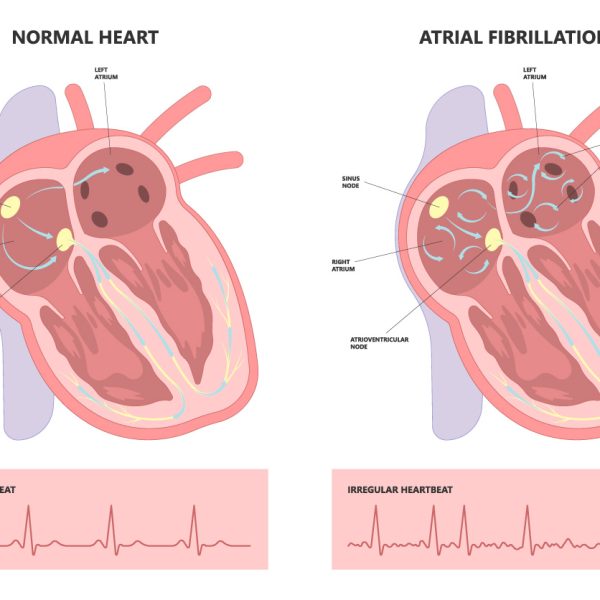
Our heart is a complex and miraculous organ. Imagine a mini electrical system right in your own body that controls the beats that keep us alive and thriving. Your heart’s unique electrical system regulates its ability to pump blood. However, sometimes that system can get thrown off. Atrial fibrillation (known as AFib) is another term for a heart arrhythmia, an irregular and often rapid heart rhythm. While AFib isn’t usually life-threatening on its own, it causes your heart to work harder than usual and not operate efficiently. While AFib often has telltale signs, patients don’t always show symptoms. Heart health and early detection are two reasons why it’s so important for adults to see their primary care doctor regularly. How Does AFib Work? Your heart has four chambers: the left and ... Continue Reading

Is there anything worse than the 3 a.m. wakeup? You get to sleep after a stressful day, only to wake in the middle of the night with your mind racing, unable to get back to sleep. Then you start to stress about being unable to sleep, creating a negative cycle. Or maybe you struggle to fall asleep in the first place, fretting about life stresses and relationships. Sound familiar? You’re not alone. According to the Sleep Foundation, 10 to 15 percent of people experience chronic insomnia, and women are 40 percent more likely to have insomnia than men. The good news is that by working with your doctor, you can manage insomnia with lifestyle changes and medication as needed. Here’s a look at this challenging condition and strategies for managing it. How Do I Know If I Have Insomnia? Most of ... Continue Reading

For decades, migraines were a mystery. What caused these powerful phenomena that went way beyond headaches? Even after identifying the symptoms, we were at a loss for the causes. While we still haven’t figured everything out, we now have more insight into migraines and many excellent new treatment options. If you experience migraines, your primary care physician is an excellent resource. What Is A Migraine? A migraine is more than a run-of-the-mill headache. While a headache is one of the best-known symptoms, migraines are complicated, and no two patients are alike. The medical community has identified two types of migraines. Common migraines involve headaches, fatigue, blurred vision and sensitivity to light. Aura migraines are less common but can also be scarier. They involve ... Continue Reading

If you’re into wellness, you’ve probably heard about intermittent fasting. The trendy weight loss movement is based on fascinating science and is achieving results for folks from all walks of life. But is intermittent fasting safe? How do you get started, and what do you need to know for a successful outcome? What Is Intermittent Fasting? Instead of focusing strictly on what you eat, intermittent fasting also focuses on when you eat. It involves limiting your eating to specific periods during the day or week. There are several approaches: Daily time-restricted fasting involves eating normally but restricting yourself to an eight-hour window each day. For example, you could skip breakfast or dinner while eating two other meals within the window. 5:2 fasting involves eating a ... Continue Reading

Supplements often come to mind when we think about immune support. Dietary supplements are big business. However, some of the most important steps you can take to support your immune system don’t cost a dime. We can’t overstate the basics of sleep, exercise and nutrition in staying healthy and fighting illness. Here are some tips for supporting your immune system naturally. Make sure you're getting enough sleep. Studies show a clear link between sleep and immune function. While your body rests, your immune system is hard at work preparing to fight infections. Sleep is essential for maintaining the vital functions of disease-fighting white blood cells. Adults should get at least seven hours of sleep each night. Eat a healthy diet with plenty of fruits and vegetables. A diet high in ... Continue Reading