

Chronic pain is an American epidemic. As a society, we’re grappling with meaningful ways to help patients find relief while remaining mindful of the devastating effects of opioid abuse. One thing we’re learning on our journey as a country and community is the vital role primary care and internal medicine doctors play in supporting patients with chronic pain. Our primary care physician is often the person we trust most and whose advice we’re most ready to follow. What Is Chronic Pain? According to the Centers for Disease Control, around 20 percent of US adults experience chronic pain. That’s more than 50 million people nationwide. We define chronic pain as lasting three months or more. In addition, around seven percent of adults live with “high impact” pain that severely impacts daily ... Continue Reading
News

‘Tis the season for New Year’s resolutions. How many of us are thinking about eating healthier and exercising more in the new year? Your primary care doctor loves to see it. We always look for ways to help our patients stick with their health-related goals (including diet and exercise) all year long. Regular physical activity helps keep us fit, boosts our mental health, and helps us get a good night’s sleep. But how much exercise do we need each day? How Much Exercise Do Adults Need? Our exercise needs are different at 60 than at 6 or 16. The Department of Health and Human Services publishes helpful guidelines by age group. For example, children ages 6 to 17 should get at least an hour of exercise every day. HHS guidelines for adults recommend at least 150 to 300 minutes of ... Continue Reading

The holidays are here–and everything is supposed to be perfect–right? Well, not exactly. That’s a common misconception that can often make things worse for folks who get the holiday blues. Yes, we all want to experience joy at this time of year. But putting unnecessary pressure on yourself and neglecting your mental and physical health can make things worse. The good news is that there are effective ways to manage holiday stress and depression. Your primary care doctor is an excellent resource for helping you regain control during this wonderful but challenging time of year. Why Do We Feel Sad During the Holidays? We need to acknowledge that the holidays are wonderful but can also be challenging and emotionally draining. According to the American Psychological Association, 38 percent of ... Continue Reading

The good news is that breast cancer deaths are declining thanks to early detection. However, breast cancer remains the second leading cause of cancer death among US women–and the leading cause of cancer death in Hispanic women. Breast Cancer Awareness Month is the perfect time to remember that catching breast cancer early saves lives. But for many women, questions remain about how–and when– to schedule needed preventive care like breast exams and mammograms. Fortunately, your primary care doctor is an excellent resource for breast health and other basic gynecological care. We serve our patients with clinical breast exams, referrals for mammograms, and other services that make breast health easy and convenient. What Is Breast Cancer? The CDC describes cancer as a disease where cells grow ... Continue Reading
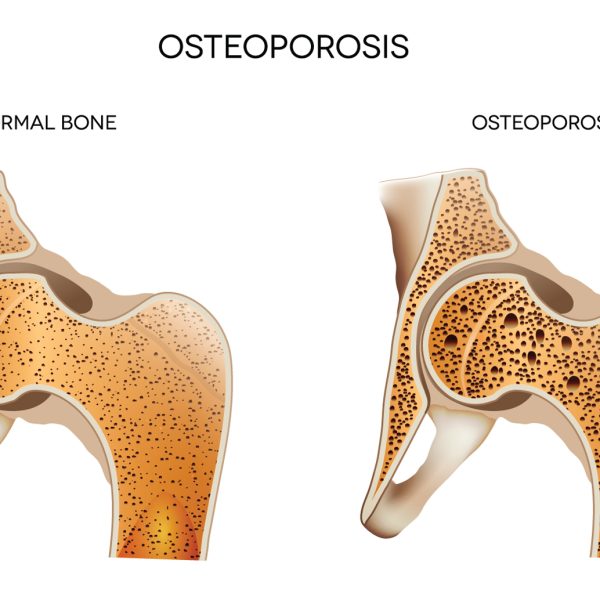
When we think of osteoporosis, we might think of our grandmother’s hunched back or a frail elder with a broken hip. One of the dangers is that osteoporosis causes bones to break without the kind of trauma usually involved with a fracture. Fractures related to osteoporosis lead to an increased mortality risk for seniors but sometimes go undetected. It’s one reason the medical community calls osteoporosis “the silent killer.” Even adults in their 30s, 40s, and 50s should recognize the dangers of low bone density and develop plans to combat osteoporosis. Working with your primary care doctor, you can get proactive with nutrition and exercise. What Is Osteoporosis? Osteoporosis is a bone disease related to low bone density. Our healthy bones contain small holes called foramen. When our bones ... Continue Reading

Breath is life. And feeling like you can’t breathe is one of the scariest sensations in the world. That’s why Chronic Obstructive Pulmonary Disease is such a troubling diagnosis. According to the American Lung Association, COPD is the third leading cause of death in the U.S. and affects 12 million Americans. There is no cure for COPD. However, you can manage it. Many patients achieve meaningful quality of life for years after diagnosis. A positive attitude, willingness to make lifestyle changes, and developing a management plan with your primary care doctor and lung specialists are vital for living with COPD. What Is COPD? COPD is an umbrella diagnosis encompassing several respiratory conditions. Emphysema, chronic bronchitis, and asthma fall under the COPD umbrella. Your airways become ... Continue Reading